
Mexico City is one of my favourite cities in the world. It’s also one of the biggest, which means it’s almost impossible to suggest how to spend one day in Mexico City given how much there is to do.
But, having lived in Mexico City for six years – and having advised lots of friends and families on the best things to do – I have managed to whittle down my favourite activities into one 24 hour itinerary.
Over the following six years that we lived in the capital, we fully embraced the colour, the culture and even the chaos of this wonderful city, spending all our free time discovering the best things to do from the latest restaurant openings in Roma Norte and Condesa to quirky museums, off-beat attractions and dazzling markets selling everything from oversized flowers to voodoo dolls.
This local one day Mexico City itinerary is a result of the time we spent living there and the information that I share regularly with friends and family who are heading to CDMX.
This local guide covers the best way to spend one day in Mexico City but really the capital deserves much more time. If you do have additional time to spare then take a look at this guide to spending one week in Mexico City.
Disclosure: This post may contain affiliate links. I have been or could be if you click on a link in this post compensated via a cash payment, gift or something else of value for writing this post. See our full disclosure policy for more details.
How to spend one day in Mexico City
Table of Contents
The Mexican capital is one of the biggest cities in the world so the trick to making the most of your one day in Mexico City is to be realistic with what you will have time to see and do. My recommendation – to all first timers – is to start in Mexico City’s Historic Center – the Centro Historico – and that’s where this perfect one-day itinerary begins.
Morning: The Historic Centre
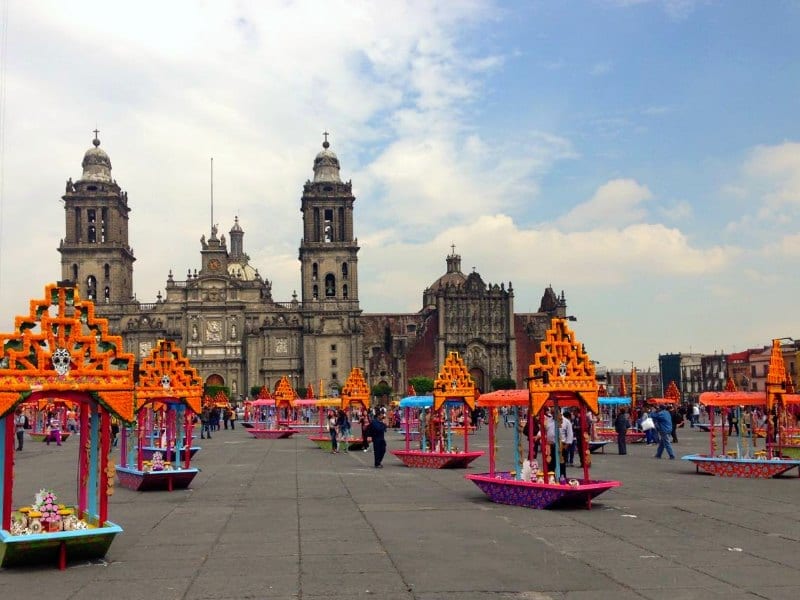
El Centro Histórico is packed full of historic buildings, sights and museums and you can easily spend several days here. Given that you only have one day in Mexico City, however, it’s best to focus on the highlights, starting with El Zócalo.
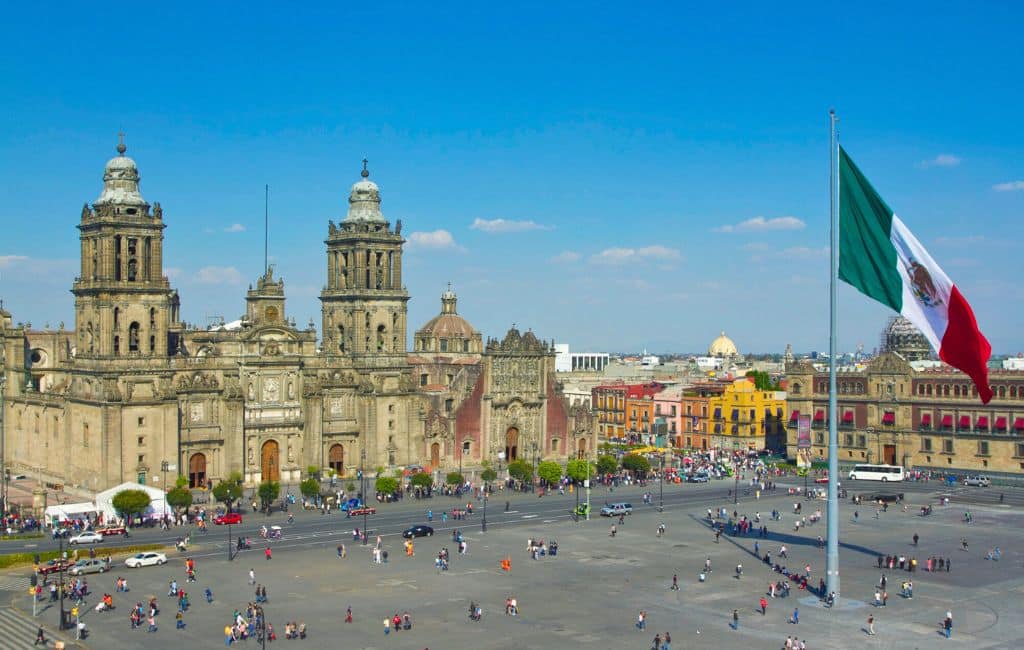
El Zócalo has been the heart of Mexico City since Aztec times when it was the main ceremonial centre of the capital Tenochtitlan. It’s also known by its formal name, Plaza de la Constitución and is one of the largest city squares in the world.
If you really want to make the most of your time, plan for an early morning and arrive at 8am when you can watching the ceremonial raising and lowering of La Bandera, the huge Mexican flag that flies in the centre of the square. A similar ceremony takes place at 6pm.
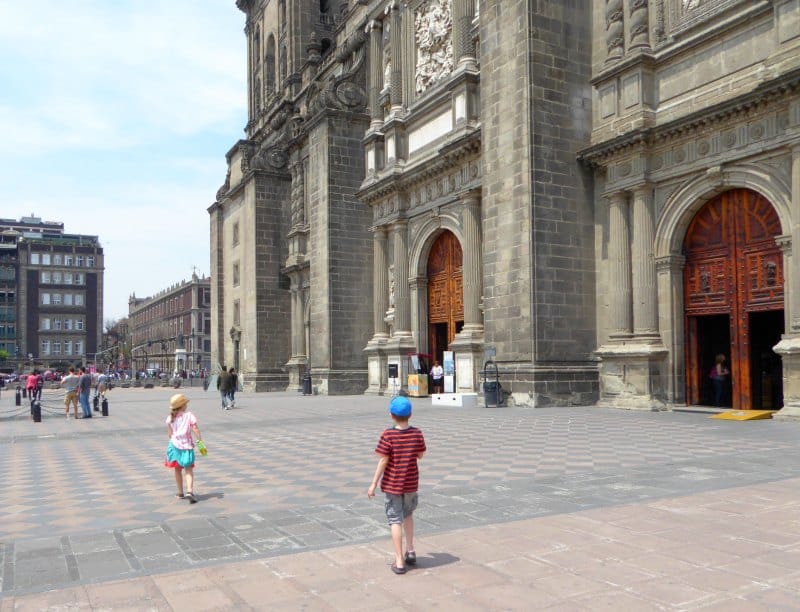
The square is bordered by government buildings to one side, including the Palacio Nacional (National Palace), and the Metropolitan Cathedral in the middle. The cathedral (its full title is the Metropolitan Cathedral of the Assumption of the Most Blessed Virgin Mary into Heaven) is one of the largest and oldest cathedrals in Latin America.
I recommend looking inside the Metropolitan Cathedral and then visiting El Templo Mayor.
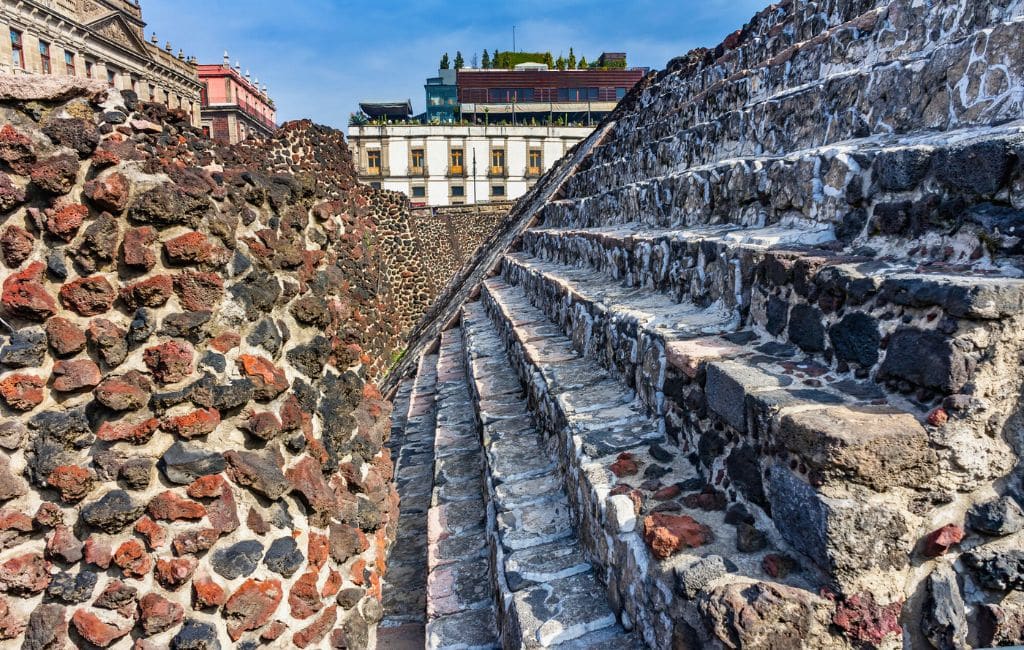
El Templo Mayor
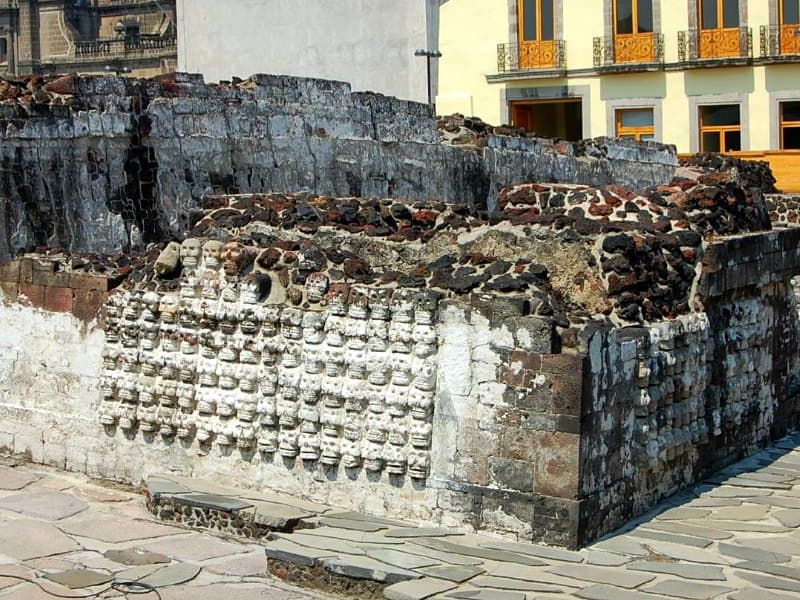
Located almost next door to the cathedral, the Great Temple is one of my favourite sights in the city. This was once one of the main temples of Tenochtitlan, the former capital of the Aztec empire, where ritual and ceremonial activities took place, including human sacrifices.
What I find most fascinating about this temple is that it was only discovered in 1978 by electrical workers carrying out repairs. After the Spanish Conquest in 1521, the Templo Mayor was destroyed and the stones used to build structures including the Cathedral. What did survive was buried.
Make sure to leave time to explore the accompanying Museo del Templo Mayor, the Templo Mayor museum, which is one of the best in the city, showcasing the many objects discovered in the ruins. The most famous piece is the Coyolxauhqui Stone, which displays the displays the female deity Coyolxauhqui, but my favourite are the larger than life terracotta sculptures of Eagle Warriors.
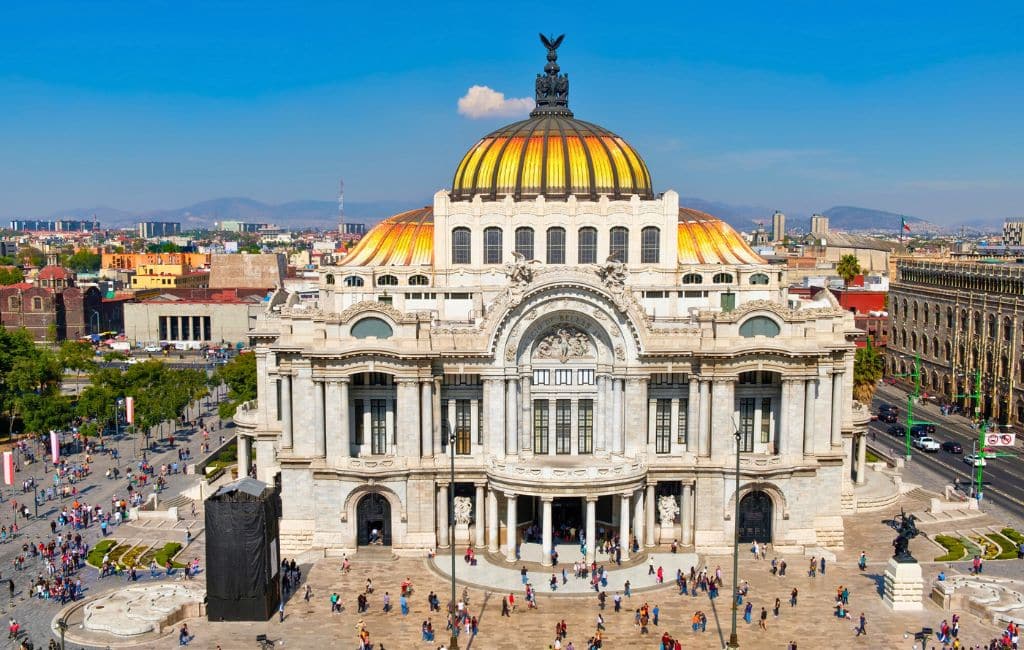
Palacio de Bellas Artes
From El Templo Mayor, wander along Avenida 5 de Mayo towards the golden domes of el Palacio de Bellas Artes (Palace of Fine Arts). Along the way you’ll pass Dulcería de Celaya, a charming little sweet shop that has been selling handmade sweets and desserts – including a detailed array of marzipan figures – since 1874.
Running parallel to Avenida 5 de Mayo is Avenida Francisco I Madero (which turns into Avenida Juarez). Located on this road, shortly before reaching Palacio de Bellas Artes is the striking Casa de los Azulejos or “House of Tiles”. The stunning 16th-century Baroque palace is covered in bright blue and white Talavera ceramic tiles.
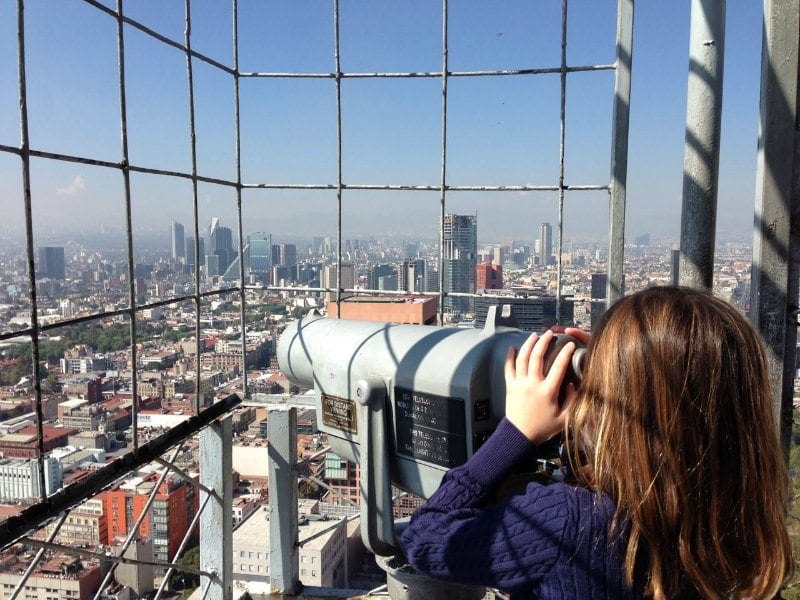
Almost opposite the Casa de los Azulejos is the Torre LatinoAmericana, once the tallest building in Mexico City. Today it’s filled with offices but there is an observation deck on the 44th floor that offers spectacular views over this megacity.
In my opinion, Palacio de Bellas Artes is one of the most beautiful buildings in Mexico City. Built between 1904 and 1934, the building takes centre stage within the Alameda Central Park, the oldest public park in Latin America. The park opened in 1592 by mandate of the then Viceroy Luis de Velasco and is still a popular place for friends and families to gather today – it’s particularly busy at weekends.
It’s worth stepping inside the Palacio de Bellas Artes. While the exterior is a mixture of neoclassical and Art Nouveau architecture, the interiors are an Art Deco delight from the ticket booths and stylised serpents’ heads on window arches to the masks on the vertical light panels. There are also murals by some of Mexico’s most famous artists including Diego Rivera.
If you only have one day in Mexico City you won’t have time to catch a performance by the Ballet Folklórico de México, a fantastic show that takes place on Wednesdays and Sundays but bookmark them for when you make your return visit.
When we lived in Mexico City, the palace ran a free guided tour of the auditorium where you could see the incredible ‘Crystal Curtain’ made by luxury jewellery brand Tiffany in 1912. It’s an amazingly detailed mosaic made from a million 2cm crystals depicting the landscape of the Valley of Mexico. These don’t appear to be running at present but it’s worth asking when you visit.
Lunch at El Huequito
In a city where great tacos are seemingly around every corner I’ll understand if you don’t believe me when I say that the tacos from El Huequito really are among the best tacos that I’ve ever had – but they really are! El Huequito – meaning “the little hole” – specialises in tacos al pastor, marinated grilled pork served with pineapple, onion and coriander. Order your tacos and eat like a local standing on the street corner.
Dessert at Churrería el Moro
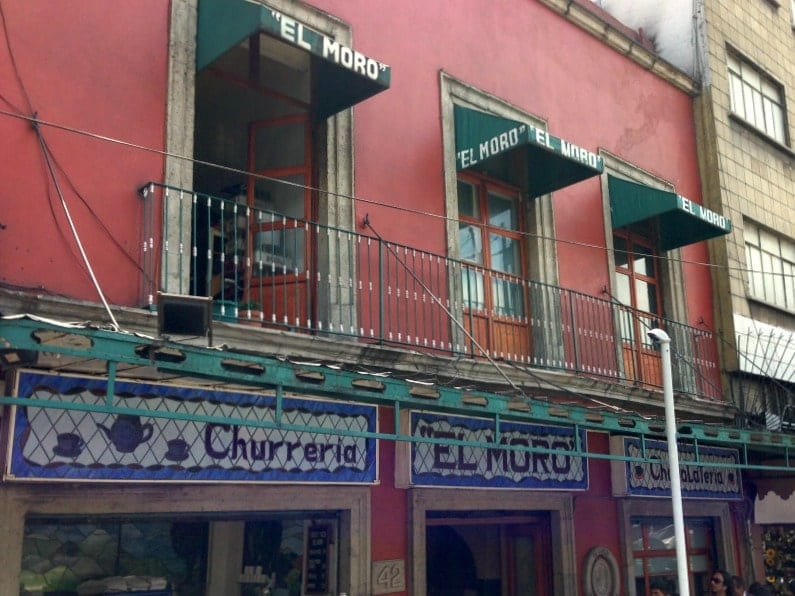
If you have enough time then you should squeeze in a quick visit to Churrería el Moro for dessert. This characterful churreria with floral-tiled walls and pastoral stained-glass is less than a 10 minute walk from the Bellas Artes and is the best place to go for hot chocolate and piping hot churros. The churrería opened in 1935 and welcomes guests 24 hours a day.
Afternoon: Chapultepec Park
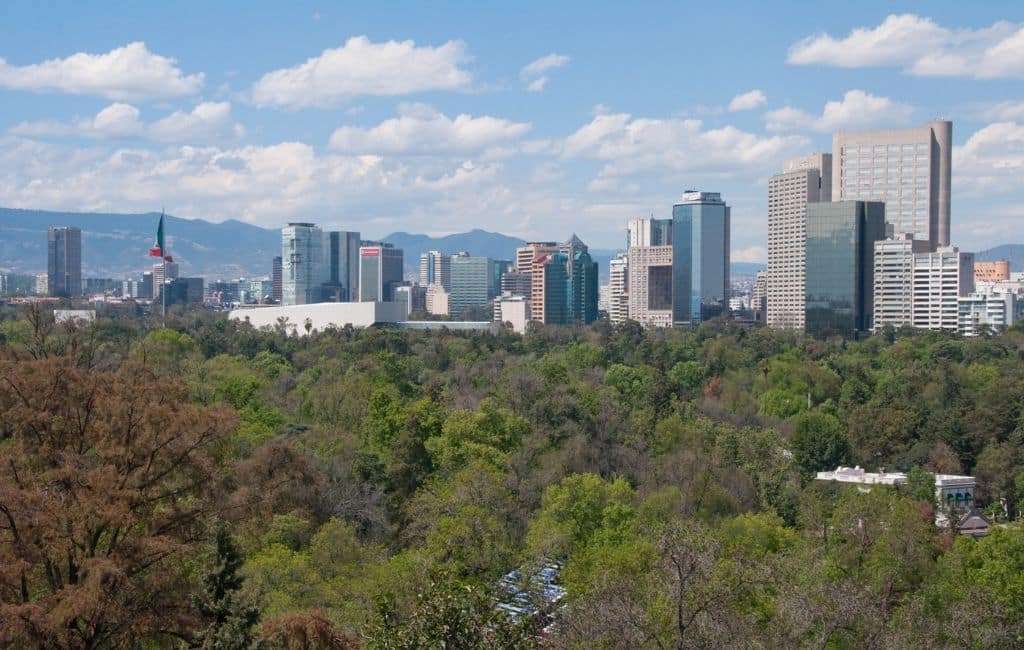
Spanning 866 hectares, el Bosque de Chapultepec, Chapultepec Park, is Latin America’s oldest and largest park. The vast green space is often referred to as Mexico City’s “lungs”.
The park is a wonderful respite from the busyness of the city and it also hides some of the city’s best attractions including Chapultepec Castle (the only royal castle in North America), El Papalote, Museo del Niño (the children’s museum – a must-do if visiting Mexico City with kids) and el Museo Nacional de Antropologia (the National Museum of Anthropology).

Museo Nacional de Antropologia
If you only do one thing during your one day in Mexico City, make sure it’s a visit to this excellent museum. The National Anthropology Museum is home to the world’s largest collections of archaeological and anthropological artefacts from pre-Hispanic Mayan civilisations and is the most visited museum in the country. It’s a fascinating look at Mexican culture and history with an extraordinary array of pre-hispanic items.
This is not a small museum and you could easily spend a full day here. Given that you only have one day in Mexico City I would advise you to save the upper floors for your next visit that showcases traditional dress and costumes from Mexico’s present-day indigenous groups and focus on the ground floor exhibits instead.
Highlights include the enormous carved Sun Stone, or Aztec Calendar, and the Jade mask of the Zapotec Bat God. There are also a number of artefacts from Teotihuacan, the most important and largest city of pre-Aztec central Mexico, including a grinning skull found near the Pyramid of the Sun. Teotihuacan is located about 30 miles northeast of Mexico City and is one of many great day trips that you can do if you have longer in the city.
Evening: Dinner in Condesa
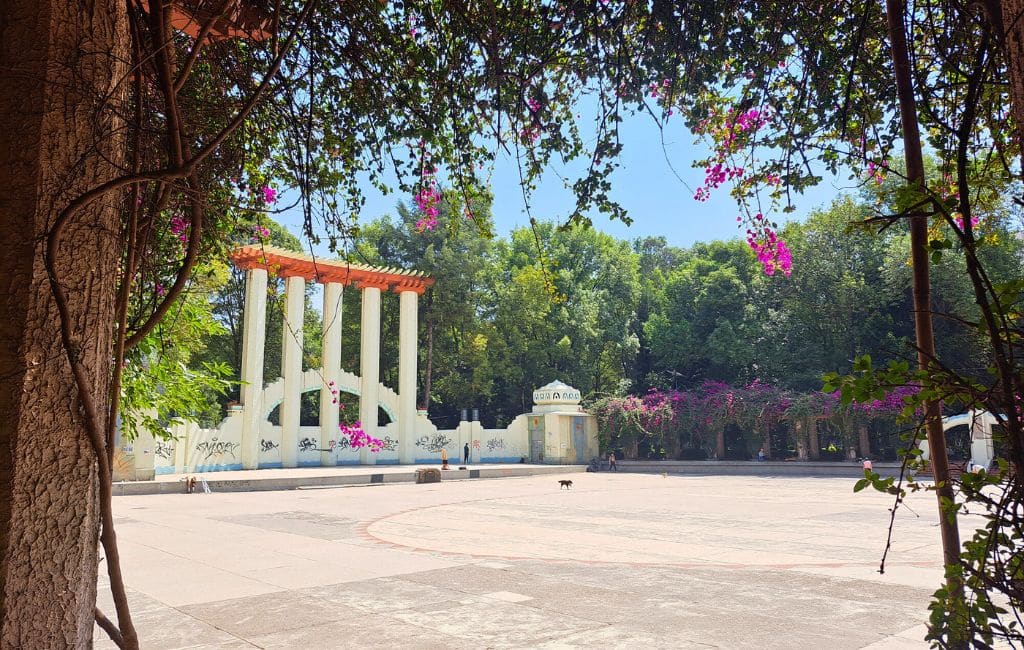
Condesa and neighbouring Roma Norte are two of the coolest colonias in Ciudad de Mexico. Art Deco and Noveau style houses run along the tree-lined streets alongside coffee shops, fun bars and some of the best restaurants in the city.
I would highly recommend spending an evening simply enjoying chilango life in la Condesa. Wander along Avenida Amsterdam and stop by one of the two parks, either Parque España or Parque Mexico and then enjoy dinner at one of the many highly regarded restaurants. Two of my favourites are Lardo and Merotoro but there are always new restaurants popping up.
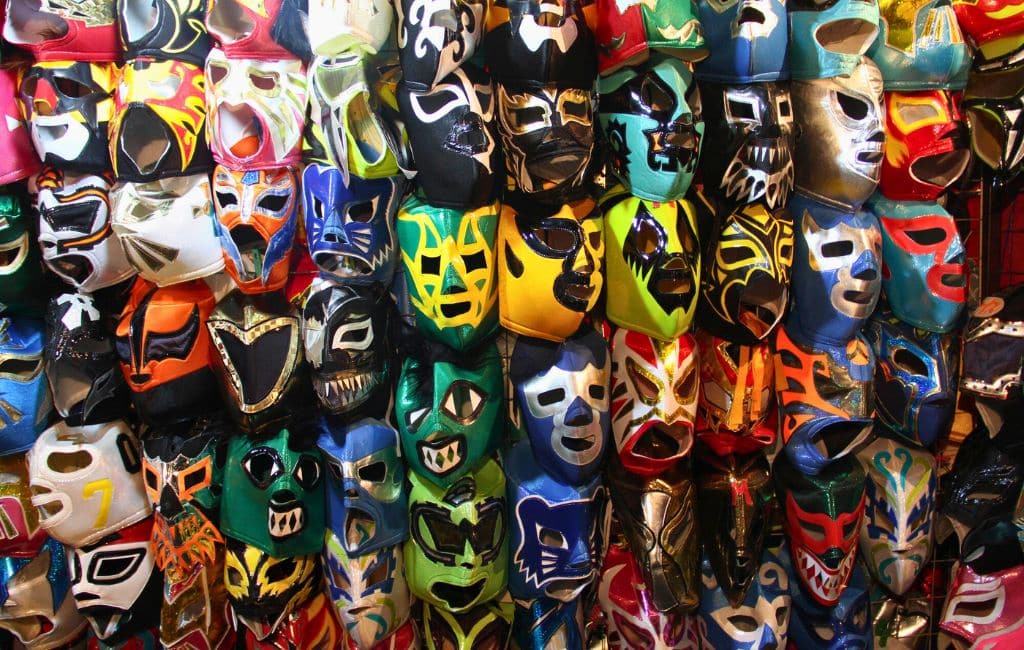
If you feel like enjoying something more lively then I recommend taking in a Lucha Libre match.
Lucha Libre is Mexico’s version of professional wrestling and is a combination of athleticism and showmanship with all the drama of a telenovela, it’s a spectacle like no other and a huge amount of fun. Regular fights take place in Arena Mexico, in Colonia Doctores, with masked fighters taking part in three rounds of carefully choreographed fights accompanied by lots of heckling by a a very animated audience.

