So, you’ve visited the Tower of London, watched the Changing of the Guard and taken a spin around the London Eye. What’s next?
If you are visiting the capital – or even if you live here – and are looking for things to do beyond the main tourist sights then this post on my favourite hidden gems in London is for you.
As a Londoner, I’m often asked for insider tips and recommendations, the kinds of places that only locals know about. Fortunately, London has dozens of secret spots to discover from a hidden pergola and Japanese gardens to the whimsical House of Dreams museum and the underground silver vaults – and more.
Disclosure: This post may contain affiliate links. I have been or could be if you click on a link in this post compensated via a cash payment, gift or something else of value for writing this post. See our full disclosure policy for more details.
The best hidden gems in London
Table of Contents
London Markets that you might not know about
Everyone has heard of Borough Market near London Bridge, but there are dozens of smaller, lesser-known London markets worth visiting too.
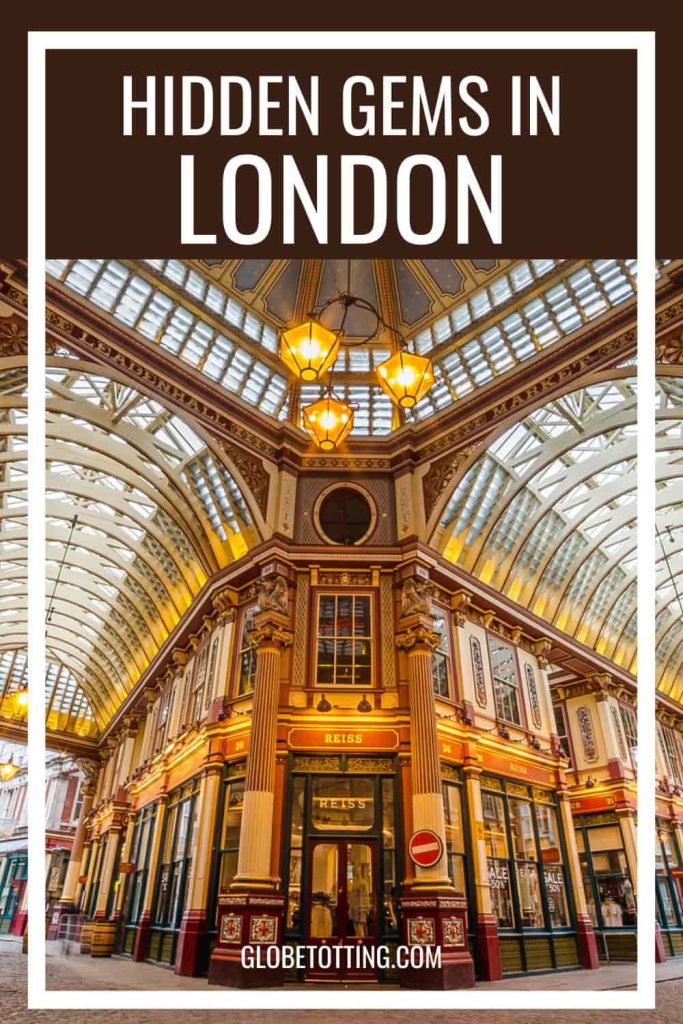
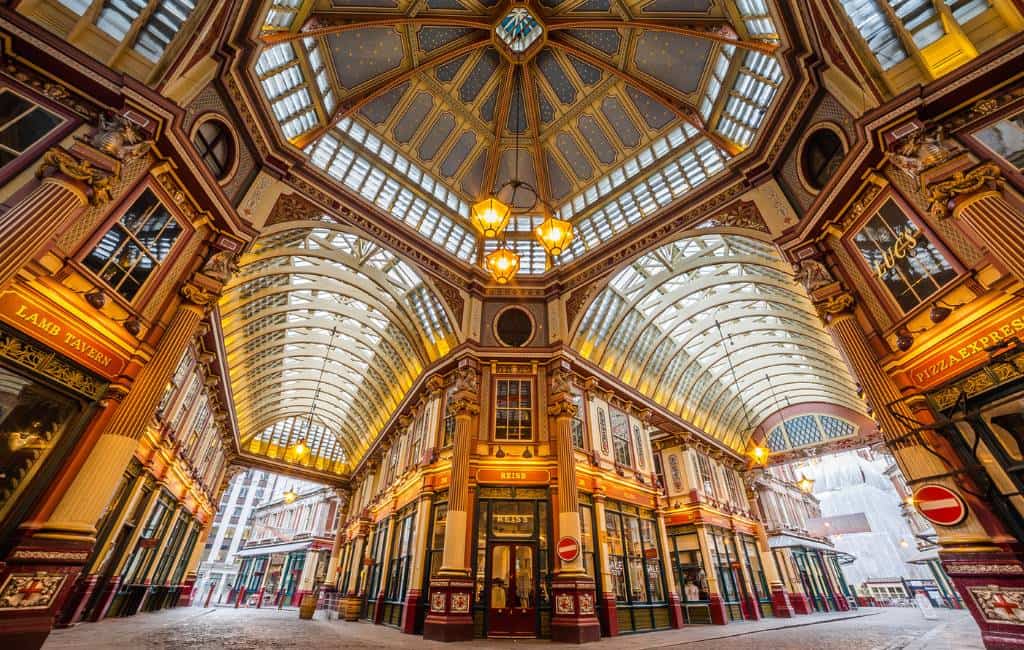
Leadenhall Market
Harry Potter fans will immediately recognise magical Leadenhall Market (it was used to represent Diagon Alley in Harry Potter and the Philosopher’s Stone) but do you know where to find it?
The market has a rich history, dating back to 1321 and is located in what was the heart of Roman London. It once sold meat, poultry and game and was also the first places in the city where you could buy cutlery! It was also one of the first places in London where women were allowed to work.
The beautiful design was by Sir Horace Jones, the same architect responsible for designing Billingsgate and Smithfields Markets. Today it has Grade II* listed status.
Today Leadenhall Market is home to great restaurants and bars, and cool shops.
Lower Marsh Market
This market is a favourite with locals but tends to fly under the radar of most visitors to London. Running parallel to Waterloo Station, the roots of Lower Marsh Market date back to the 1800s when it claimed to be the longest street market in teh UK.
Today the market is not quite so big but it is still busy with traders selling fresh produce and hot food. You’ll also find traders selling jewellery, clothing, crafts, vinyl and more.
The market often takes part in special events including their Miracle at Leake Street, held during Christmas in the nearby Leake Street Arches.
Lower Marsh Market is open Monday to Friday, 11am to 3pm.
Columbia Road Flower Market
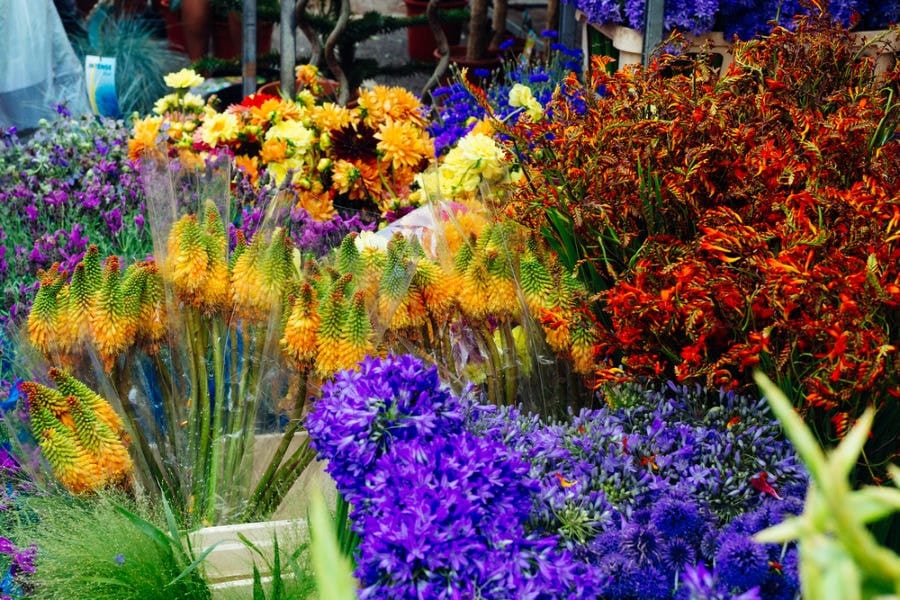
It’s hard to call Columbia Road Flower Market a hidden gem given how popular it is these days but not every visitor to London is familiar with it.
Taking place every Sunday along Columbia Road in East London, the market is packed with stalls selling bucketfuls of colourful flowers as well as houseplants, herbs, shrubs and more.
The market opens at 8am and runs until 3pm. Be prepared to battle the crowds! Brick Lane and Spitalfields (also home to a good market) are nearby.
The London Silver Vaults
Located five levels below ground in the heart of London, the London Silver Vaults is a subterranean market, home to dozens of silver merchants. It has the largest retail selection of antique and contemporary silver, jewellery and luxury watches of anywhere in the world.
Not surprisingly, given the value of everything being sold, security is high (you will walk through several fortified doors on your way in) and photography is not allowed. Visitors, however, are welcome and the shop owners are very friendly, although they may – as in our case – try and persuade you to buy a sterling silver dinner set or Victorian silver gobblet!
Maltby Street Market
Taking place every Saturday and Sunday in Bermondsey, south-east London is this wonderful food market.
Maltby Street Market is where many food traders start their businesses (some go on to establish restaurants elsewhere) and there’s always a colourful and delicious selection of stands, everything from cheese toasties and loaded burgers to Ethiopian veggie bowls, freshly steamed gyoza, authentic biryani and much more.
The Ropewalk, named after a nearby ropewalk once owned by a “Bermondsey eccentric” in the 18th century, houses restaurants and bars open throughout the week.
London’s lesser known museums
There are lots of weird and wonderful museums in London, the following are some of our favourites.
House of Dreams Museum
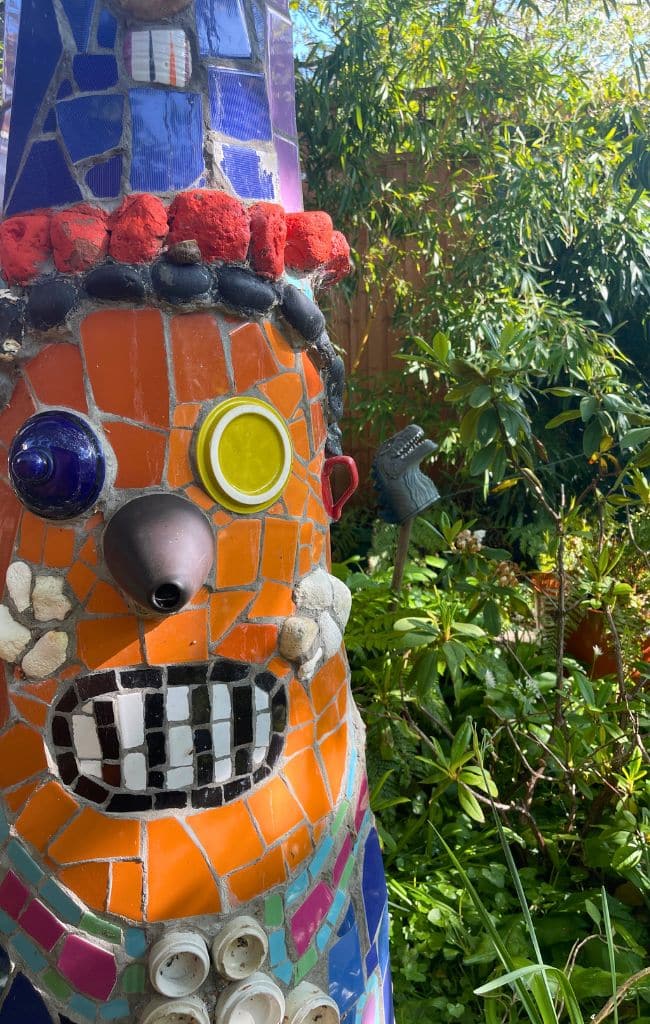
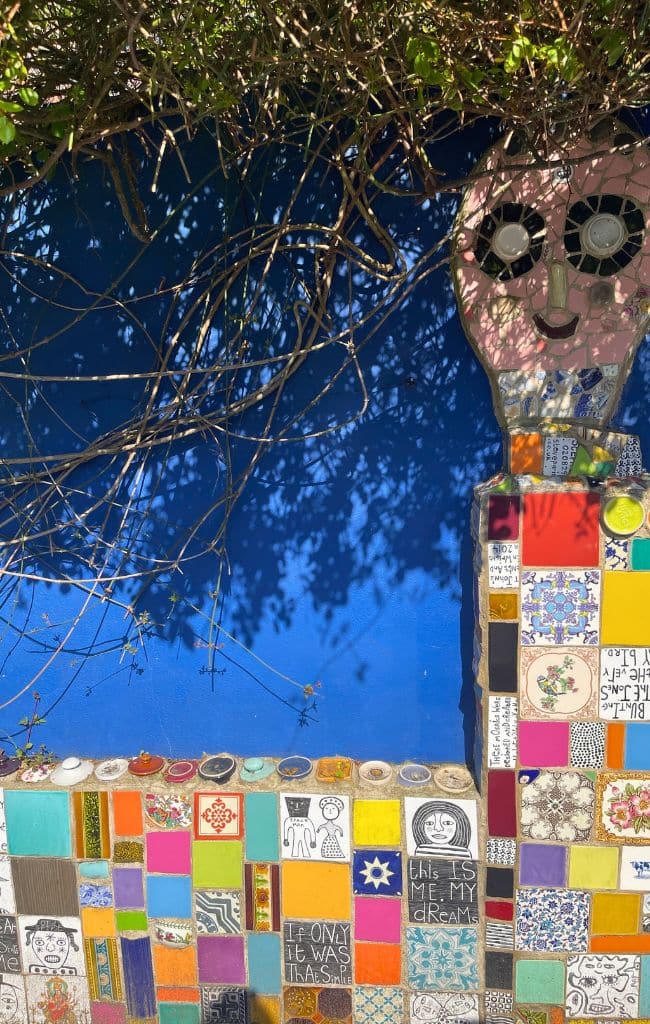
Located in East Dulwich is the most fantastical House of Dreams created by artist and designer Stephen Wright. The entire house – both inside and outside – has been covered top to bottom in found objects alongside hand-written memory boards that recall important event in his life. It is fascinating and wonderfully weird in equal measure.
The House of Dreams is only open to visitors on certain dates (roughly once a month) so make sure you book well in advance.
The Wallace Collection
Named one of the world’s best hidden gems by Wizz Air, The Wallace Collection sits in a grand 18th century mansion in London’s Marylebone neighbourhood.
The ornate rooms are filled with fine and decorative arts from the 15th to the 19th centuries and was put together by the first four Marquesses of Hertford and Sir Richard Wallace. In 1897, it was left to the British nation by Lady Wallace.
Kids – particularly young children – might find it a little tiresome but it’s worth visiting simply to see the over-the-top rooms, and to enjoy a bite to eat at the pretty museum cafe.
Sir John Soane Museum
Sir John Soane was a British architect responsible for designing buildings including Holy Trinity Church and the Bank of England. Tasked with creating such notable buildings you might think that he would take it easy when at home but instead Sir John Soane obsessively collected art, furniture and architectural paintings and models.
In the 19th century he opened his house up as a museum to ‘amateurs and students’ and still today the Sir John Soane Museum is open to all. Highlights include the Sarcophagus of the Egyptian pharaoh Seti I. There are Family Trails for kids to discover the collections.
The Old Operating Theatre
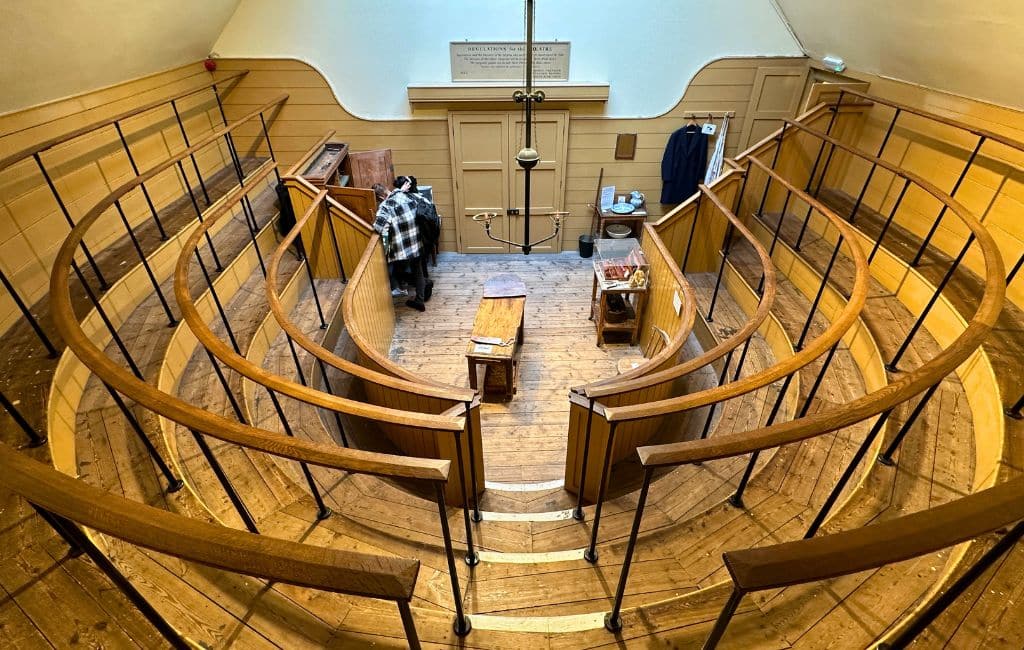
Housed in the attic of St. Thomas Church is the oldest surviving surgical theatre in Europe. The operating theatre dates back to 1822 and predates anaesthetics and antiseptics, the only pain relief patients received were alcohol, opiates and chloroform. They would also be given a wooden cane to bite down on to muffle the screams.
This is where the poorest of patients came for treatment and apparently many died of infection with only one in three surviving amputation.
The operating theatre was rediscovered in 1956 and opened as a museum six years later.
Today it’s a fascinating insight into medicine and medical procedures from time gone by and displays herb garrets used by the apothecaries, instruments used during procedures including cupping, bleeding and skull-driving, and information on the history of the church and hospital itself.
Note that access to the museum is only via a narrow 52-step spiral staircase.
The Original Cockney Museum
George Major, the Pearly King of Peckham, had long had a dream of opening his own museum and now he has. The Original Cockney Museum is located not, as you might expect, in East London but in Epsom and is a fascinating tour though London’s past and the history of the Pearly Kings and Queens.
Leighton House Museum
The former home of leading Victorian artist Sir Frederic Leighton is one of the most extraordinary houses in London.
From the outside, Leighton House Museum looks like a very nice Kensington townhouse but nothing out of the ordinary. Inside, however, the home is spectacular.
The most famous room in the house is the Arab Hall, which Leighton created following his visit to Syria in 1873. So inspired by his travels, he decorated the hall using antique tiles from Damascus – it even boasts a working fountain.
Visit and explore on your own or join an in-depth 90 minute guided tour (for over 18s only).
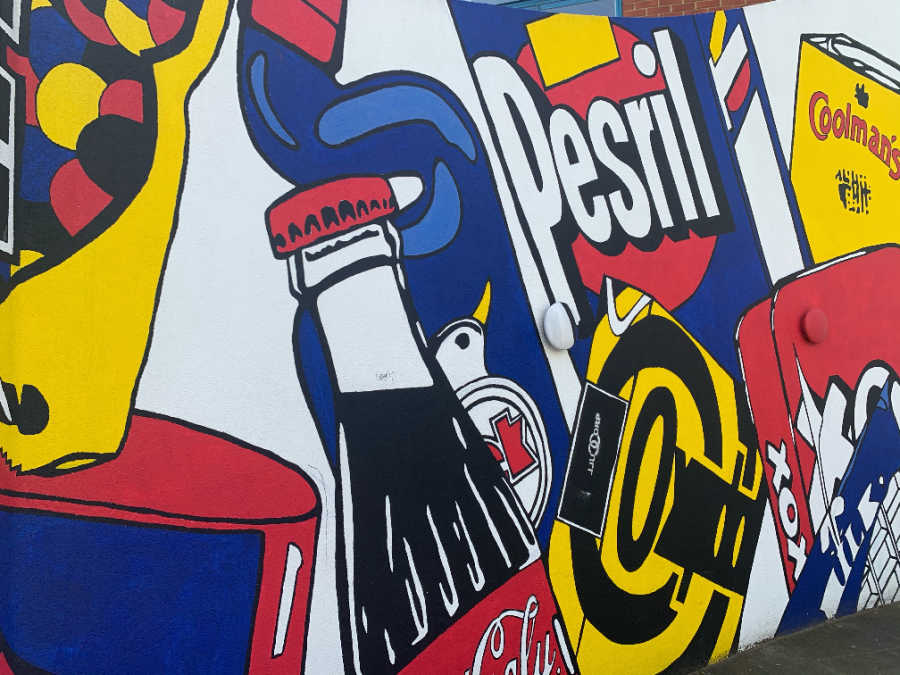
Museum of Brands
This quirky London Museum definitely doesn’t get as much attention as it should. Located in west London, the Museum of Brands tracks the history of consumer culture from Victorian times through to the present day.
It was started by consummate collector Robert Opie, who started collecting packages and items as a child until he had amassed a big enough collection of hot this own exhibition. The Pack Age exhibition was shows at the V&A in 1975.
The bulk of the museum’s collection is housed in glass cabinets that form the Time Tunnel. Starting in Victorian times, the tunnel winds its way through the ages showcasing the objects and brands that have shaped consumer culture over time.
It’s a fascinating look at how British history is reflected in everyday packaging and is guaranteed to have you saying ‘oh, I remember those!’.
Jack the Ripper Museum
Best suited to teens and adults is this museum tells the story of the infamous Jack the Ripper. Set out over six floors in a Victorian house in the heart of Whitechapel, the museum explores the unsolved crimes that took place in London in 1888.
Learn about the lives of the victims, the main suspects in the murders, the police investigation and what life was like in the east end of London during this time. Once you’ve gathered all the clues, see if you can solve the mystery of who was Jack the Ripper.
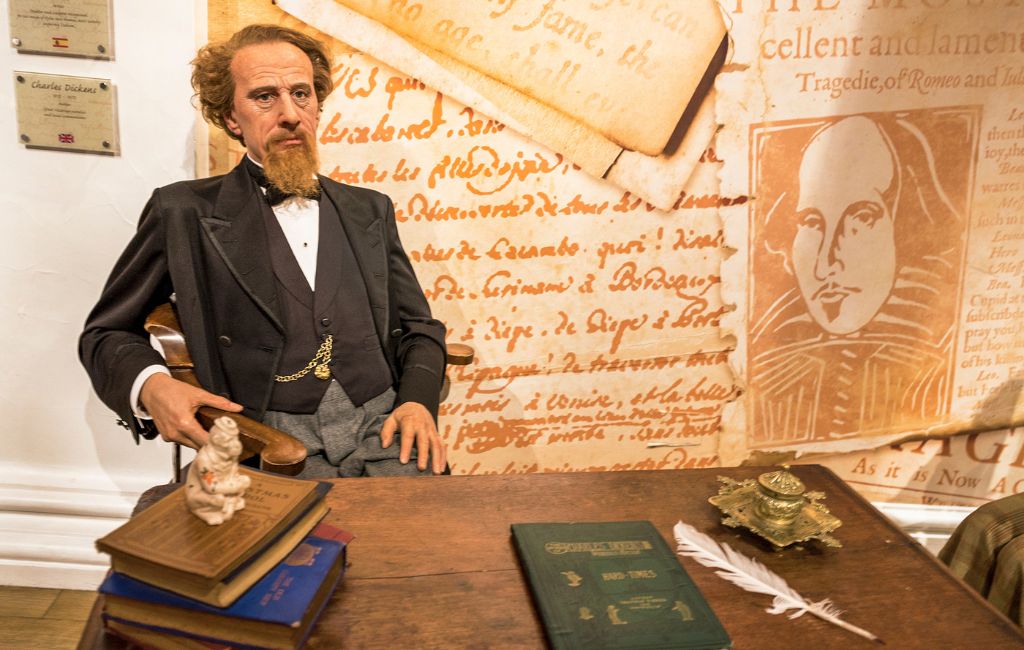
Charles Dickens Museum
Sure, lots of locals might have heard of the Charles Dickens Museum, but how many have actually been? This really is one of our favourite places to visit in town and is interesting to visit no matter how many Dickens books you’ve read (or even if you’ve read none at all!).
Located in the house where Dickens lived from 1837-1839 the museum is set up as if Dickens was still living there and represents a typical middle-class Victorian home with furnishings, portraits and decorations that belonged to Dickens. Also on display are works by Dickens; it was while living here that he finished writing The Pickwick Papers, and wrote Nicholas Nickleby and Oliver Twist.
The museum runs regular events and activities for children as well as self guided activity trails for families.
Clink Prison Museum
You may well have heard of the London Dungeon but what about the Clink Prison Museum? This was once the most notorious medieval prison in London where extreme punishments took place – including making prisoners stand in water until their feet were rotten! It housed prisoners from the 12th century up until 1780.
Today the Clink Prison Museum explores the brutal past of the prison through audio stories, themed rooms and replica artefacts including torture tools. Join in a guided tour…if you dare!
Lesser known parks and gardens in London
Hyde Park and Regent’s Park might be among London’s most famous green spaces but there are plenty of other parks and gardens to enjoy in London.
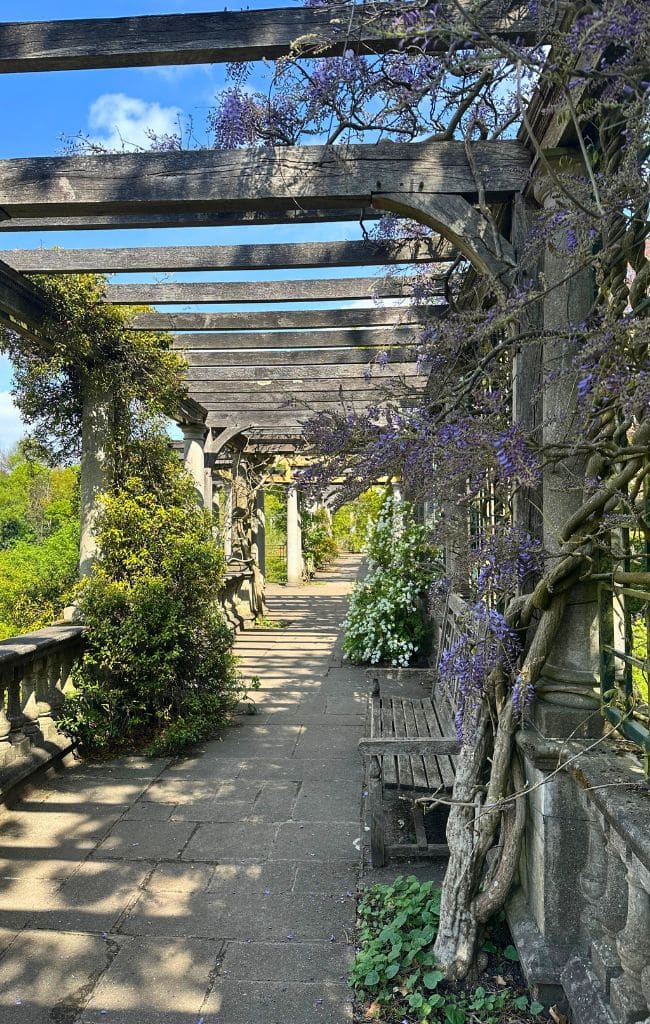
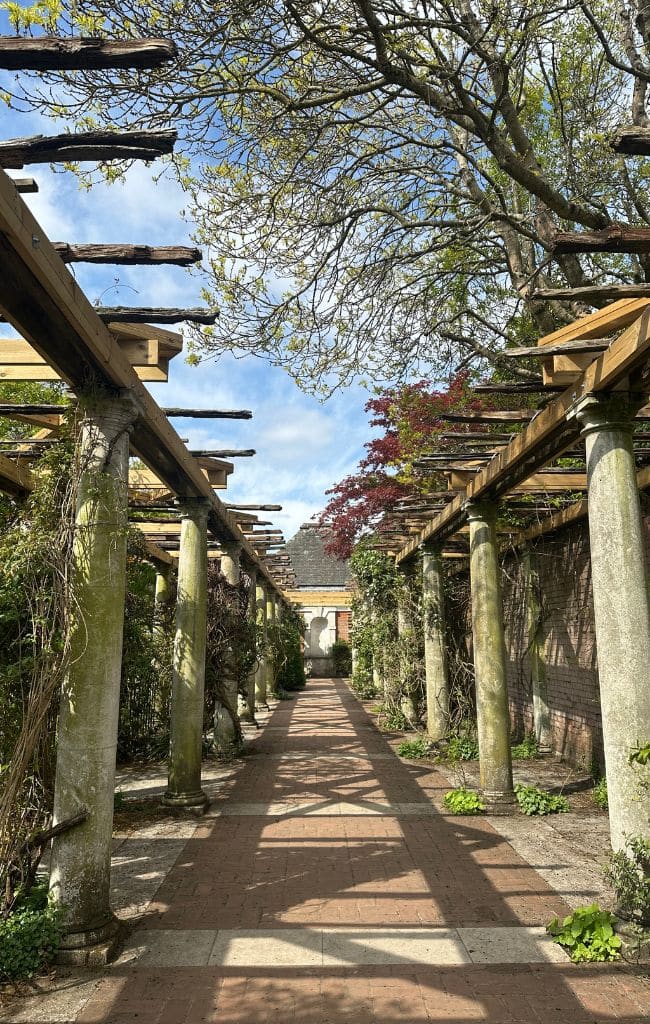
Hill Garden and Pergola in Hampstead Heath
Overlooking West Heath in Hampstead Heath, Hill Garden and Pergola were built around 1906 by Lord Leverhulme, a philanthropist and lover of throwing extravagant garden parties. The raised gardens were once the setting for big summer bashes, that he orchestrated from his enormous mansion next door.
After Leverhulme’s death – and WWII – the place fell into disrepair and was in all sorts of disarray when it was taken over by the City of London in 1989. Today, however, it’s been restored to its former glory and while you won’t stumble across any Great Gatsby-inspired parties, it’s a delightful place for a wander.
The Victoria Pet Cemetery in Hyde Park
Hyde Park might be the best known Royal Park in London but what few people know is that this vast swathe of green space in the heart of the city is home to a very unusual cemetery.
Located on the edge of the park is a secret pet cemetery where Victorians once buried their cats and dogs. This was one of the first public pet cemeteries in the UK and over 1,000 faithful friends have been laid to rest here.
The cemetery can be visited as part of one of the guided tours of Hyde Park.
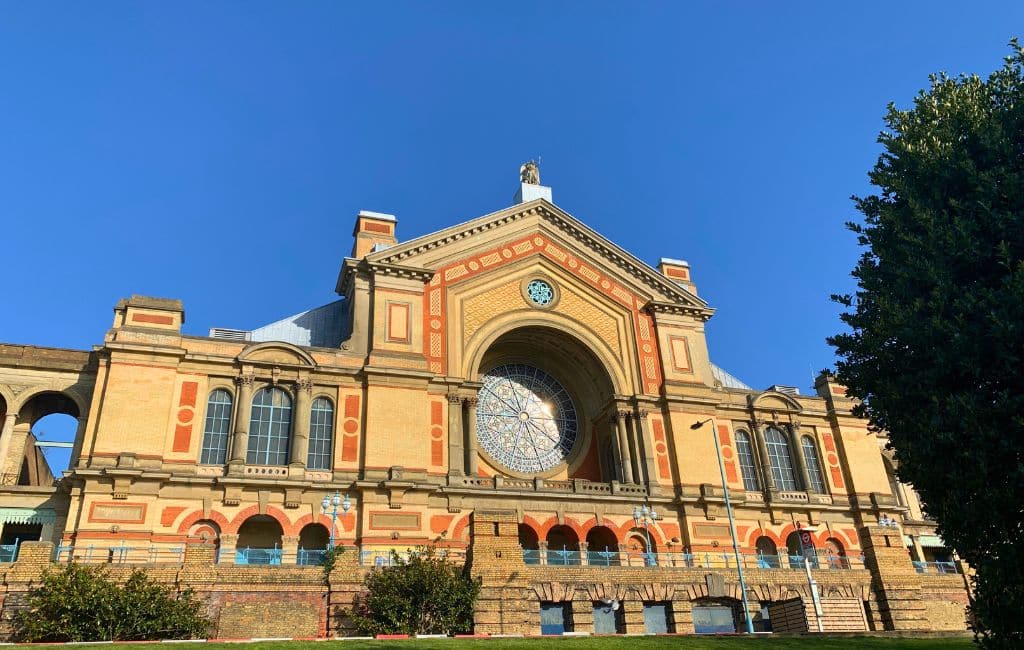
Alexandra Palace
North Londoners love Alexandra Palace, a Grade II listed palace that is wider and taller than Buckingham Palace.
It first opened in 1873 and 60,000 people attended the opening. Sadly it was soon after destroyed by a fire but it was rebuilt and, in 1936, the first high definition public television service started here and, during the 50s and 60s the BBC, used the studios at Alexandra Palace for news broadcasts. In 1966, the fist colour television signals were transmitted from the Palace.
Today, in addition to being a wonderful place to see great views of London, Ally Pally, as its affectionately known, is an events venue playing host to everything from bands and theatre to the Paddy Power World Darts Championships, tickets for which sell out in 24 hours. It’s also home to an ice skating rink.
Kyoto Garden
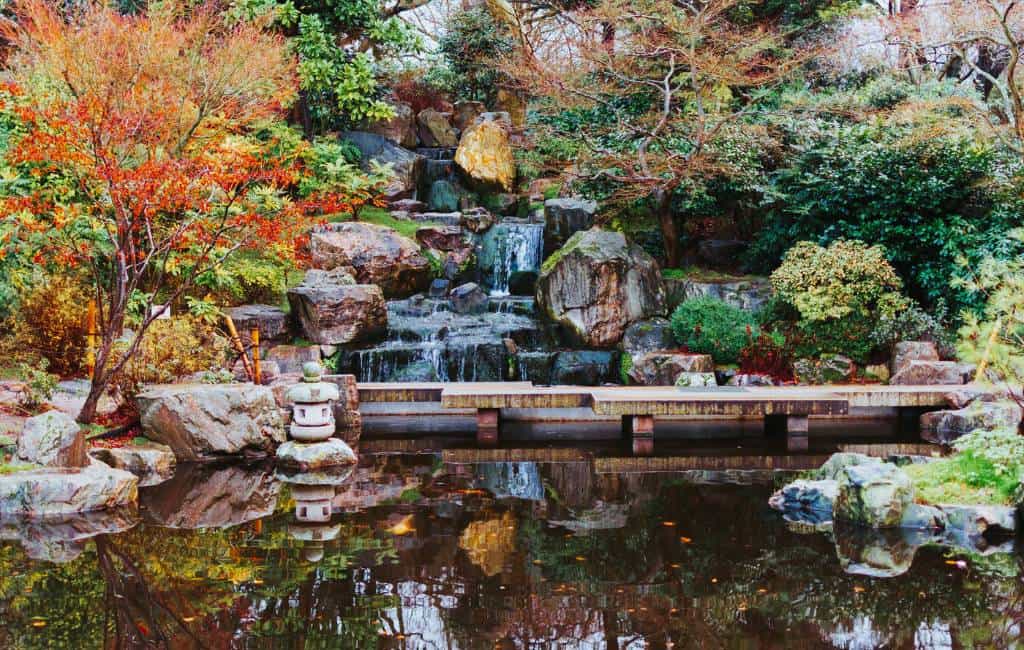
In one corner of Holland Park, a 22-hectare park in west London, is Kyoto Gardens. The beautiful gardens were donated by Kyoto’s Chamber of Commerce in 1991 to commemorate a long friendship between Japan and the UK and today offers visitors a beautiful escape in central London.
The space was designed as a ‘kaiyushiki’ (stroll garden) with tiered waterfalls, Japanese maple and sakura trees (cherry blossom) and a large pond filled with koi carp. Keep an eye out for the peacocks!
Holland Park itself is home to an excellent playground.
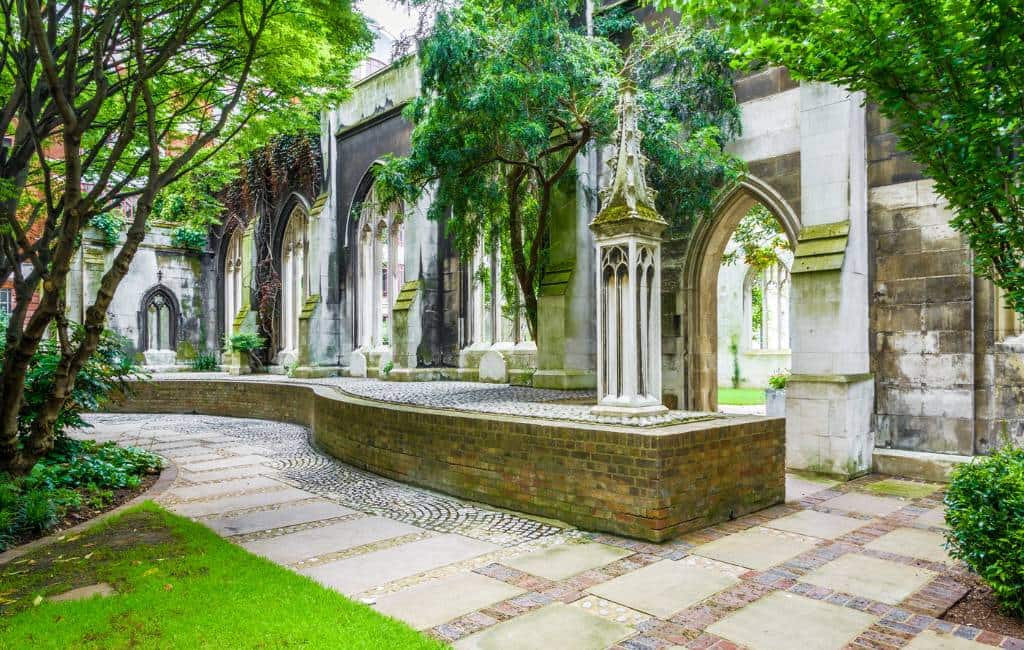
St Dunstan-in-the-East
One of our favourite secret places in London is this secret garden, set within the bombed-out ruins of St Dunstan’s church in the heart of London. The church was seriously damaged during the Great Fire of London and later hit during the blitz.
The church is named after a 10th century monk Saint Dunstan who, according to legend, survived black magic, leprosy and even the Devil himself to become Archbishop of Canterbury (he was also an abbot of Glastonbury Abbey, a bishop of Worcester, a bishop of London before being later canonised as a saint).
In 1967 the City of London turned the ruins of St Dunstan into a public park and today it’s a wonderful and peaceful green space in the middle of the city. It’s also absolutely free to visit.
Postman’s Park
Located to the north of St Paul’s Cathedral is Postman’s Park, a pretty garden peppered with benches popular with workers at lunchtime. But this is no ordinary garden, the park is home to the Memorial to Heroic Self Sacrifice.
This memorial is the work of Victorian artist George Frederic Watts (1817-1904) who wanted to create a monument to commemorate “heroism in every-day life”. The memorial contains 54 plaques, each dedicated to someone ‘ordinary’ who did something extraordinary helping the lives of others.
These include a stationer’s clerk who died while trying to save a man from drowning in 1889 and Amelia Kennedy who saved her sister from their burning house in 1871. The earliest dedicated is to Sarah Smith, a pantomime artist who died in 1863 and the latest is Leigh Pitt who drowned in 2007.
So, where does the name Postman’s Park come from? Well, apparently not long after the park opened in 1880 it quickly became popular with post office workers from the nearby old General Post Office.
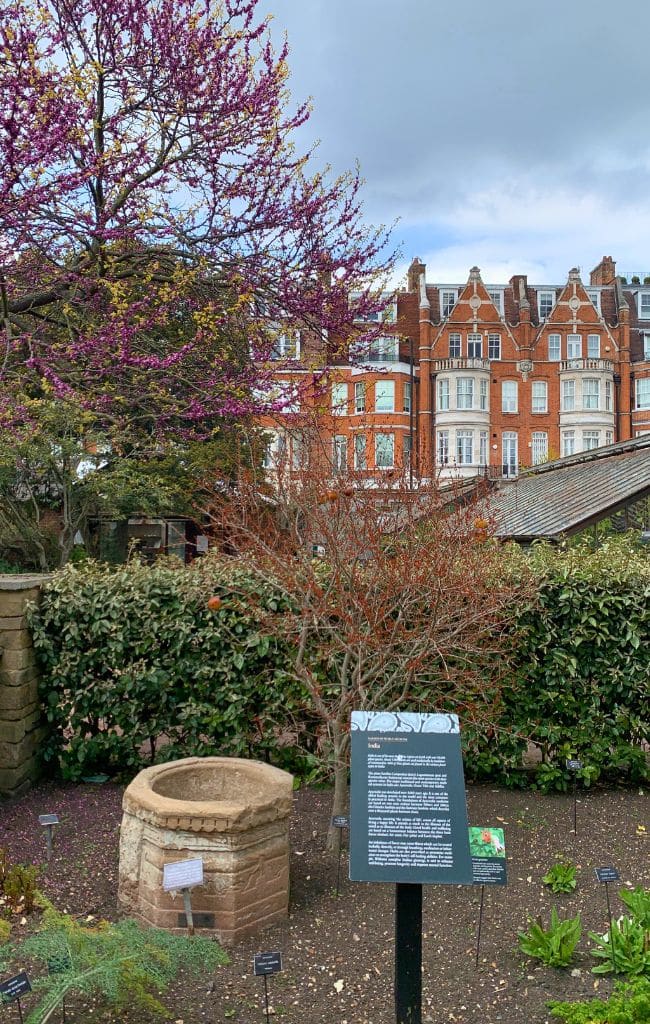
Chelsea Physic Garden
Located on four acres of land on the edge of the River Thames, the Chelsea Physic Garden is London’s oldest botanic garden. Frst established by the Worshipful Society of Apothecaries to grow medicinal plants, today the garden is home to a living collection of some 4,000 edible, useful and medicinal plants.
Unless you really know your plants, it is well worth joining a guided tour. These are run by trained and very knowledgeable volunteers during the main season (Tuesday – Friday and Sundays from April to October). Tours run roughly once an hour. These tours are best suited to teens and adults.
The Chelsea Physic Garden runs regular activities for children during school holidays, including Christmas holidays. Past workshops include Father Christmas storytelling and making Willow Christmas Sculptures.
Sky Garden
These days the Sky Garden is a popular alternative to the London Eye for locals wanting great views of London but it’s still relatively unknown to first time visitors.
Located in London’s Walkie Talkie building, this is the city’s highest public garden with 360-degree views over the city. It’s also home to two restaurants, two bars and an outdoor terrace.
Visits to the Sky Garden are free but you do have to book in advance and weekend tickets do tend to sell out quickly. Tickets can be booked up to three weeks in advance.
Unusual things to do in London
The UK capital is filled with secret spots, the following are some of our favourite hidden gems in London.
Have breakfast at E Pellicci
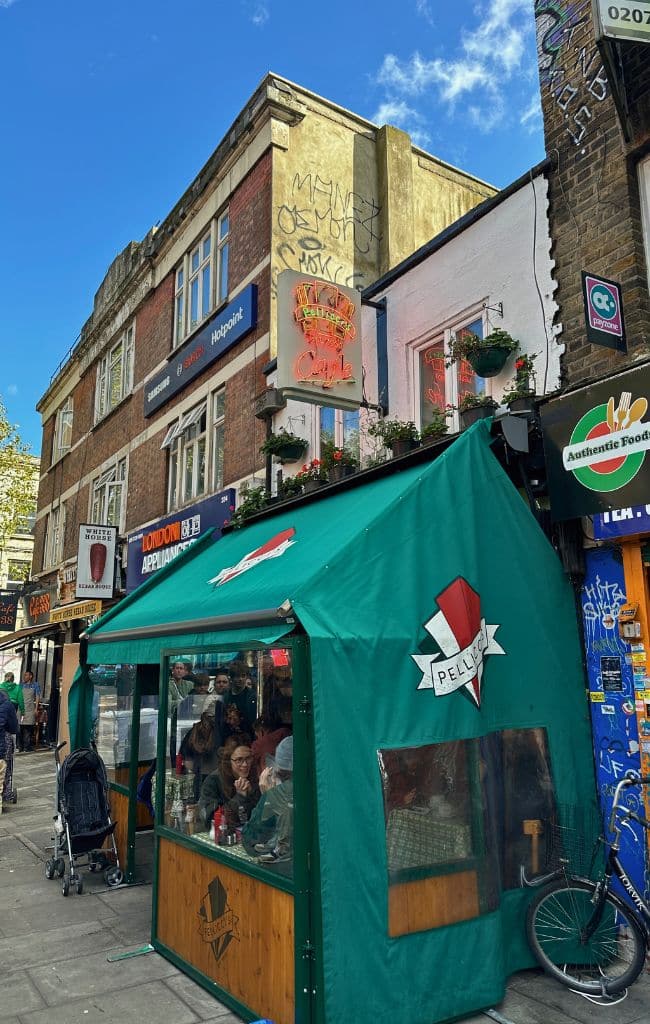
This East End cafe is a true hidden gem, a traditional greasy spoon cafe / Italian restaurant in Bethnal Green that’s been serving hungry customers since 1900.
E Pellicci is one of our favourite places for breakfast in London, not because it serves the best food necessarily, rather for the sense of history. The orange panelled wooden decor was carved by regular customer and carpenter Achille Capocci in 1946 and, thanks to his handiwork, the cafe has been granted Grade II listed status.
Skittle Alley in the Royal Naval College
Play a game of skittles in the most original location in London. The bowling alley was installed in the Old Royal Naval College in 1873 – the same year that the college opened – for officers in training to use, and it’s still open for visitors to play today.
Skittle Alley is open daily from 12pm – 3pm and is included in the general admission ticket.
Watch a show on the Puppet Barge Theatre
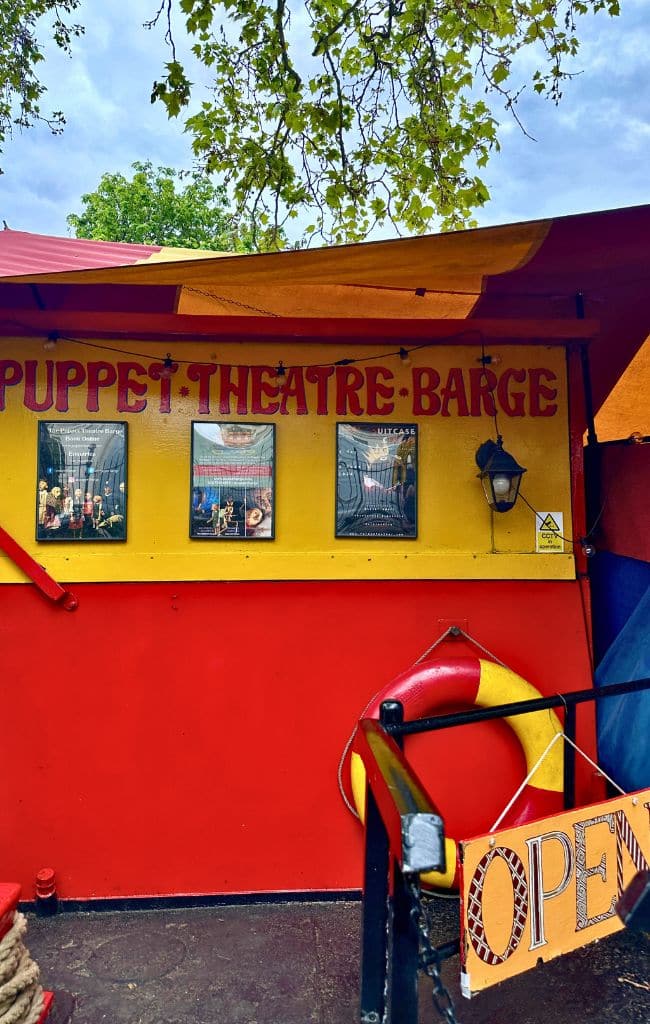
The UK’s only floating puppet theatre can be found in Little Venice and is one of our favourite hidden places in London.
This gentile neighbourhood is not far from Notting Hill and is famous for its peaceful canal ways populated with colorful canal boats. One of the best times to visit is during the annual Canal Cavalcade. Typically held over one of the May bank holidays the lively festival promises a great time for the whole family with crafts, food stalls, the chance to go kayaking along the waterways and more.
At all other times of year, it’s worth making the trip to Little Venice to see a show on the Puppet Theatre Barge. This cheery red and yellow barge has been putting on puppet shows on a converted barge for over 30 years. The theatre can house over 50 people and there’s even a small bar serving refreshments during the interval. Performances use long-string marionettes and last for just over an hour.
Ride the Mail Rail
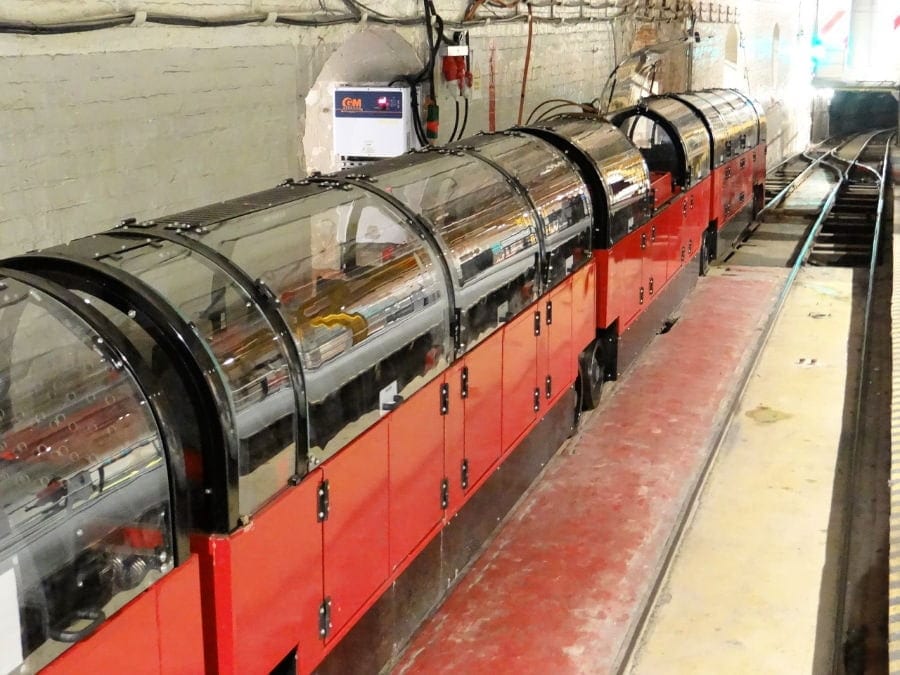
From the 1920s until its closure in 2003 letters and parcels were transported across London via underground tunnels. The train line, which ran for 6.5 miles from Paddington in the west to Whitechapel in the east, linked six sorting offices with mainline railway stations and delivered four million letters every day!
At its peak, the Mail Rail ran 22 hours a day and employed more than 220 staff.
Although the Mail Rail is no longer transporting letters, it is transporting passengers. Visitors to the excellent London Postal Museum can take a 15 minute trip, 21 metres underground, and experience the Mail Rail for themselves. Make sure to book in advance.
This unusual museum is very near to Kings Cross.
Play Pétanque in Cleaver Square
Cleaver Square is not only one of the prettiest residential squares in London but it’s also where you can play pétanque.
Cleaver Square was laid out in 1789 and was the earliest such residential squares south of the Thames. The centre of the square was originally a grazing ground and then a garden. Today it has a large boules pitch in the centre, don’t forget your pétanque set!
Have your photo taken at No 10 Adam Street
Number 10 Downing Street is one of the most famous streets in London and one that’s nigh on impossible to get close to. The address, home to the UK Prime Minister, is closed to visitors; a gate and police guard stand at the entrance.
But the good news is that there’s 10 Adam Street, which looks almost identical to the home of PM complete with a distinguished black front door. Snap a photo here and tell all your friends that you were invited for tea!
Enjoy coffee in in the Crypt
Although more well known now than it used to be, this coffee shop beneath a church is still on of London’s best hidden gems. Located on Trafalgar Square, in the heart of central London, the Cafe in the Crypt is now a welcoming spot for a coffee or even a meal. Make sure to look up at the vaulted brick ceiling above your head and the historic tombstones at your feet.
Spend the night at a museum
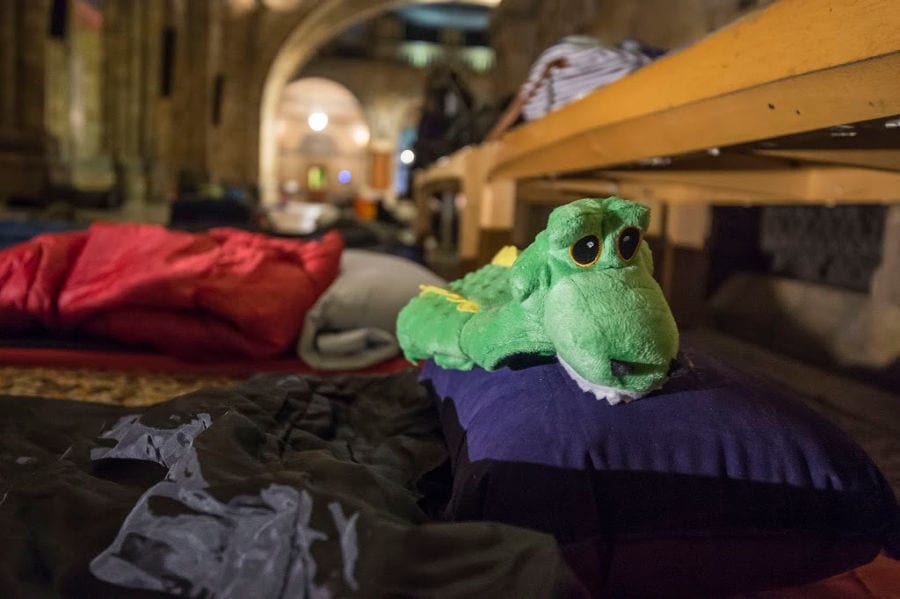
If you’ve ever dreamt of spending the night at a museum then you’re in luck. Some of London’s best museums offer kids the chance to sleep with Hope the Whale at the Natural History Museum, alongside a sculpture of Tutankhamumn in the British Museum or even on board the Golden Hinde, the English Galleon best known for circumnavigating the globe between 1577 and 1580.
The Natural History Museum even runs sleepovers just for adults. Dates and places are limited so make sure to book in advance.
Enjoy a Silent Disco Walking Tours
For a tour with a difference join a Silent Disco Walking Tour and dance your way around secret London.
The company run a handful of themed walking tours including the West End Musical Tour and the Drag Queen Disco Diva tour.
During the West End Musical Tour, participants wear headphones and then sing and dance along to the greatest show tunes as you tour the streets of London and discover new musicals.
The Drag Queen Disco Diva Tour takes in London’s iconic Soho and China Town districts as you listen to Disco Diva tunes.
Fly through the air with Gorilla Circus
Every summer a Gorilla Circus sets up in Regent’s Park allowing wannabe circus performers the chance to fly through the air. The school offers two-hour flying trapeze lessons and is open to anyone – the youngest student they have had was 8 years old, the oldest was 78!
Classes involve a warm up followed by practicing on a low bar before moving on to the high swinging bar. By the end of the class you might be able to do a trick or two!
Go on a mudlarking tour of the Thames
If you’re looking for a truly quirky thing to do in London then join a tour ‘mudlarking’ on the riverbanks of the Thames.
Mudlarking is the art of scavenging through river mud for lost items of historical significance or value and has become increasingly popular in London. This is because twice a day the tidal waters in the River Thames rise and fall revealing centuries of treasures as they go.
You can find little pieces of history everywhere in the shape of bits of clay pipes, shards of Delftware crockery or maybe even a Victorian table fork.
Unusual places to visit in London
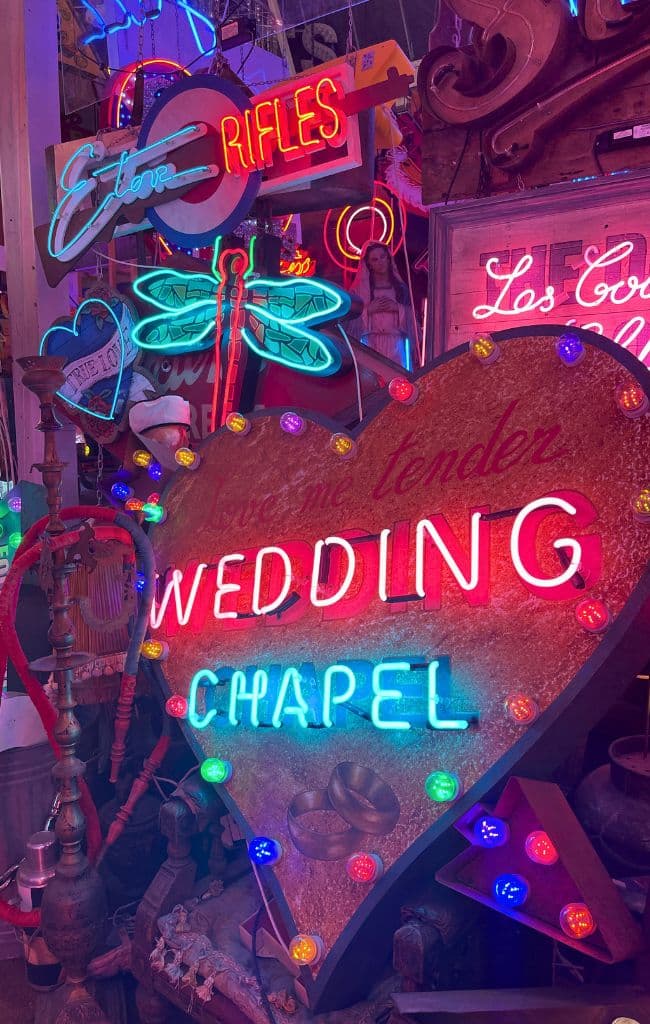
God’s Own Junkyard
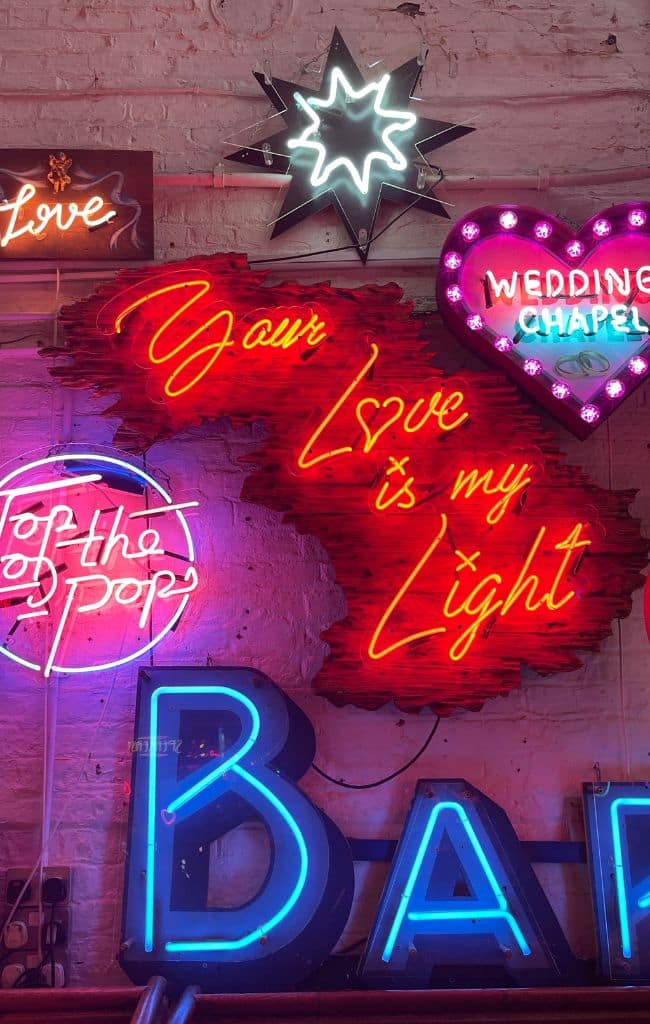
Brighten up the darkest of winter days with a trip to God’s Own Junkyard in Walthamstow. While the warehouse might not look like much from the outside, inside it’s filled with countless Technicolor handmade neon lights and vintage signs. Teens will love it!
The founder of God’s Own Junkyard was Chris Bracey, who started out making signs for Soho’s strip clubs and brothels before being spotted by Hollywood where he made props for movies including Tim Burton’s Charlie and the Chocolate Factory and Eyes Wide Shut with Tom Cruise.
The good news is that many of the neon signs are sale too so you can take one home with you (spoiler: they don’t come cheap!).
The Bascule Chambers at Tower Bridge
These giant brick-lined subterranean spaces were originally built to allow for the movement of the Bridge’s enormous counterweights used when the arms – or bascules – of the bridge were raised to allow boats to pass through.
Amazingly in the 1890s, the bridge was being lifted around 6,000 times a year. These days, Bridge Lifts take place only around 800 times a year.
The Bascule Chambers can only be visited on a behind-the-scenes tour and tickets sell out quickly so it’s worth signing up to the newsletter to be notified of when they go on sale.
Highgate Cemetery
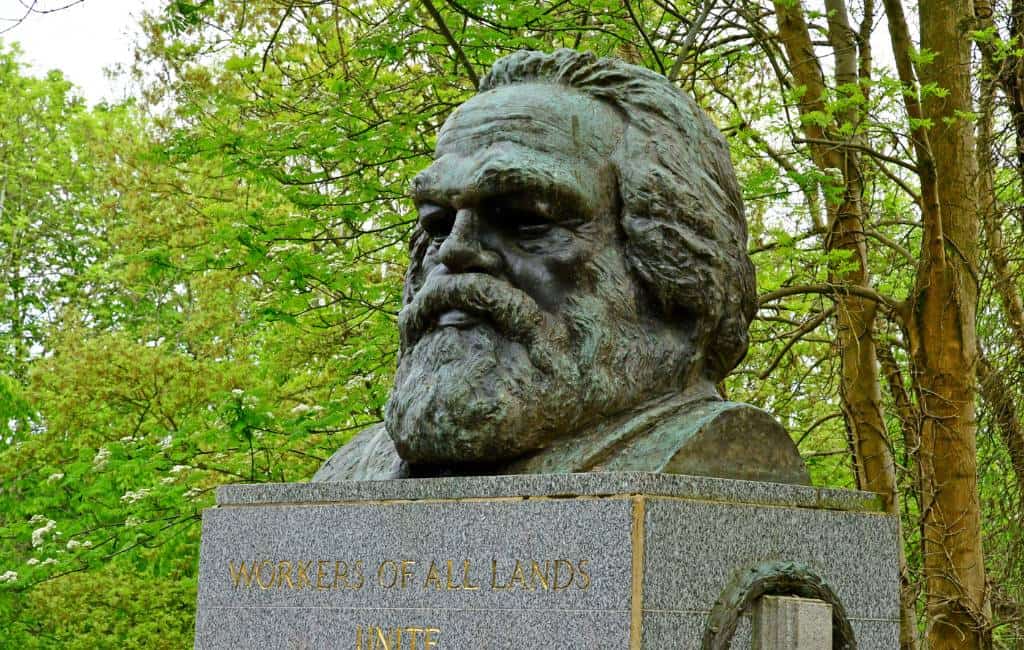
A cemetery might not be an obvious place to visit but in Victorian England, cemeteries made for a great day out, especially when they were part of the ‘Magnificent Seven’.
Overcrowding in parish churchyards in the early 19th century caused Parliament to pass a law allowing large cemeteries to be built on the outskirts of the city of London. One of these – and arguably the most well-known – is Highgate Cemetery in North London.
Some 50,000 graves sit in the East and West cemeteries and include notable names such as television presenter Jeremy Beadle and the writer Douglas Adams. The most famous grave belongs to Karl Marx.
Visit on a self-guided tour (tickets must be booked in advance) or join a tour of the West side with a knowledgeable volunteer guide.
Word on the Water
There are lots of great bookshops in London but one of the more unusual ones can be found moored along Regent’s Canal towpath.
Word on the Water is a bookstore located on a 100-year-old Dutch barge near Coals Drops Yard in Kings Cross. Expect used classic, cult and contemporary fiction as well as a large selection of children’s books. Word on the Water also hosts regular talks, occasional gigs and even the odd poetry slam.
Eel Pie Island
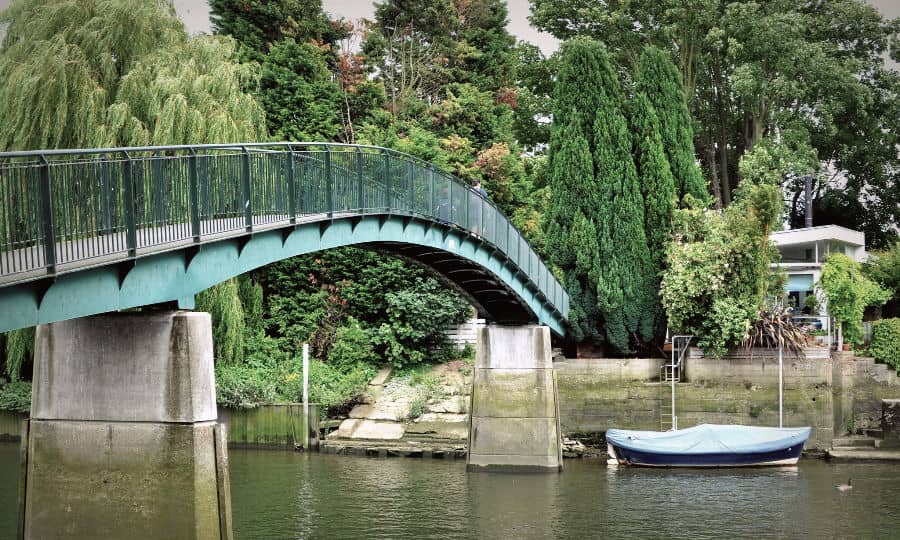
Eel Pie Island is a true hidden gem in London and one that even locals don’t know about. This tiny island sits in the middle of the River Thames, a mudflat sandwiched between Richmond and Twickenham. But don’t let its small size fool you, this island has a rich and colourful history.
Legend has it that the island was once the site of a monastery, other historians argue that it was where Henry VIII used to meet his many mistresses. Day trippers started to visit in the 17th century, partly for the eel pies served by the island’s inn.
In 1830 the Eel Pie Island Hotel opened and by the early 1960s, the hotel was a hotspot for musicians with visitors travelling to the island to see the likes of Mick Jagger and the Rolling Stones, Rod Steward and The Who play.
The hotel eventually closed and was used by squatters before burning down in a mysterious fire. Today the island is a bohemian commune home to 26 sculptors, inventors, craftsmen, potters and painters.
Most of the time the island is closed to visitors but twice a year the residents open their doors to guests as part of their Open Studios weekend. Make sure to check for dates.
Little Ben
Hidden in plain sight is one of London’s lesser known sights. Located just outside Victoria Station is Little Ben, a shrunken version of Big Ben, which sits atop the Houses of Parliament.
Little Ben has stood in the same spot in Victoria since it was first erected in 1892 and is definitely worth visiting. Don’t rely on Little Ben to tell the time year-round, however, the clock sticks to British Summer Time.
Camden Passage
Everyone’s heard of Camden market but what about Camden Passage? Admittedly if you visit this Instagram-friendly cobbled pedestrian street on a weekend you’ll be fighting for space making it feel less like one of london’s hidden gems and more like popular Portobello Market but the truth is, many visitors to London don’t know about this street.
Located a short walk from Angel tube station, off Upper Street in Islington, the lane is lined with cafes, restaurants, independent boutiques and antique shops. Visit on a Wednesday or Saturday and you’ll get to experience the market too.
Some of our favourites include The Breakfast Club for brilliant breakfasts and brunches, the design and lifestyle store In-Residence, the Antique Paper Company who sell antique maps, and the vintage homewares at Modern Times Vintage.
Cuppapug
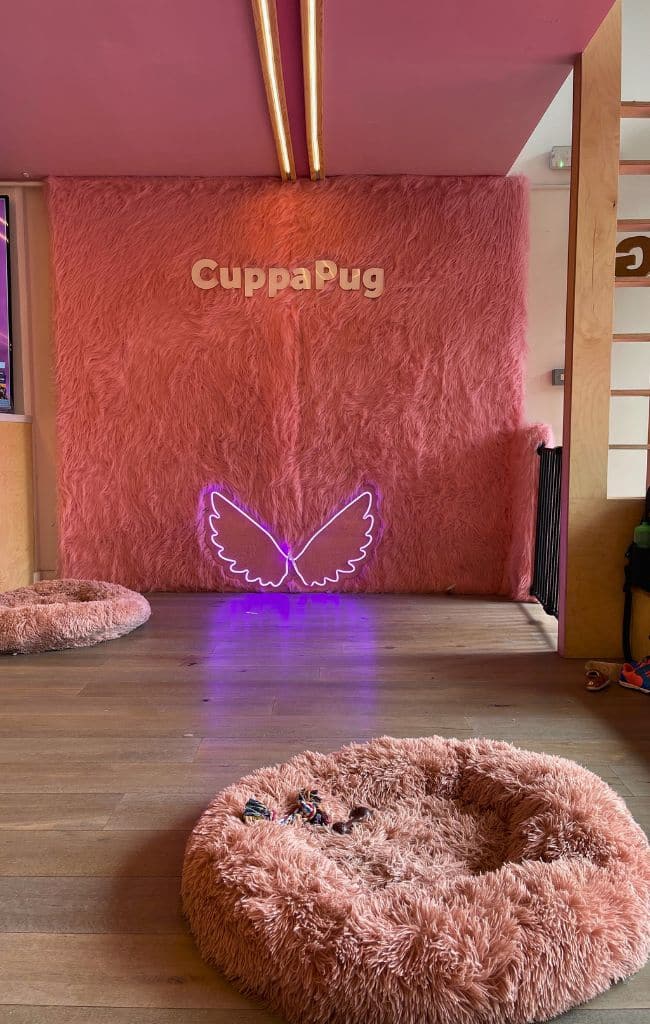
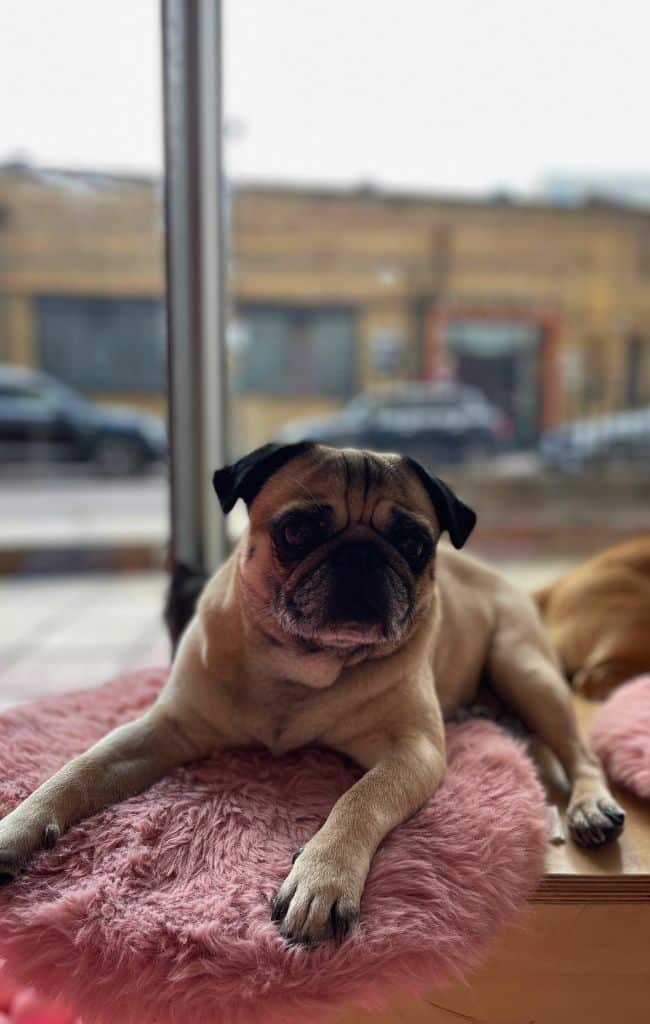
Forget Big Ben and Buckingham Palace, what you want when you visit London is the chance to cuddle some pugs. Well, that’s what my daughter thinks anyway and the great thing is that in London it is possible!
Cuppapug is a cute, pink-themed dog cafe in east London where you can play with a gorgeous grumble of pugs. The resident pugs have all grown up together and have free reign of the cafe playing with each other – or you if you’re nice and buy them pug-friendly treats! Pug owners can also bring their own dogs along.
The Poetry Pharmacy
Did you know that London is home to the world’s first walk-in Poetry Pharmacy?
Proving that coffee and cake are definitely the best medicine is The Poetry Pharmacy located on the first floor of Lush’s Spa on Oxford Street. This walk-in pharmacy stocks a specially curated selection of books as well as the Dispensary Coffee House.