Mexico City might be one of the biggest cities in the world but it’s also one of the most dynamic, a vibrant megalopolis that’s incredibly exciting to visit.
I spent six years living in the Mexican capital and was constantly discovering new things: epic street food stands and award winning chefs, lively local markets and chic boutiques, historical handicrafts and world famous art. It’s constantly-changing, often chaotic and always colourful, and it gets under your skin.
This one week in Mexico City guide is the result of many itineraries that I put together for friends and family when they came to visit us.
It includes all the main sights (the historic centre, Templo Mayor and Palacio de Bellas Artes for example) but it also includes some of my personal favourites, restaurants, cafes and the best street stands for delicious tacos as well as some of my favourite shops. It’s the culmination of six very happy years living in CDMX and hopefully it will help you organise your time in the city.
Disclosure: This post may contain affiliate links. I have been or could be if you click on a link in this post compensated via a cash payment, gift or something else of value for writing this post. See our full disclosure policy for more details.
The perfect one week in Mexico City itinerary
Table of Contents
One week is a good length of time to spend in Mexico City, giving you enough time to see the main sights without leaving you exhausted. The capital of Mexico is a vast city and so the trick to making the most of your trip is to be realistic with what you have time to see and do each day.
In this post, I share exactly what to do in Mexico City in one week and suggest the best ways to organise your time. If you don’t have a full seven days in Mexico City then you can pick and choose from the experiences listed below and see what suits you best.
If you’re visiting Mexico City on a layover (it’s a common stopover for cheap flights to South America) then you may find this one day Mexico City itinerary more helpful.
The best time to visit Mexico City
Mexico City enjoys year-round good weather and there really is not bad time to visit. That said, there are some months that are a bit better than others.
The summer months, in particular July, can be very wet owing to the rainy season. May is normally the warmest month with average daytime temperatures reaching 27C. February and March enjoy daily temperatures of between 22 – 30C and lots of sunshine.
Remember that Mexico City sits at an altitude of 2,240 metres and temperatures do drop at nighttime. Remember to bring layers when packing.
Where to stay in Mexico City
There are some really lovely hotels in Mexico City, it just depends on where you would like to stay. My vote is always to choose a hotel in Condesa as this is where I lived for six years but there are other great places to base yourself. The following are some recommendations but you can also take a look at the map below, which details up-to-date hotels and holiday rentals available.
Condesa Hotels
- Condesa DF: Cool and calm Art Deco hotel in the heart of Condesa. There’s a good rooftop bar but no pool.
- The Red Treehouse Hotel: Convivial B&B with comfortable rooms and lovely hosts.
- Hotel San Fernando: Pretty boutique hotel with 19 bedrooms in an Art Deco property near Parque Mexico.
Roma Norte Hotels
- Ignacio Guesthouse: Not one for minimalists is this bold guesthouse with just five suites. Each is designed in a monochromatic colour scheme including all-gold and all-black.
Polanco Hotels
- Campos Polanco: A good option for long stays with apartment-style suites. Breakfast is included.
Hotels in Mexico City’s Historic Centre
Circulo Mexicano: Owned by Grupo Habita, purveyors of some of the city’s coolest hotels including Condesa D F, this Shaker-inspired boutique hotel sits within a 19th century townhome in the historic centre.
Downtown Mexico: Another hotel belonging to the Habita Hotel Group, Downtown Mexico is housed on the third floor of a 17th-century palace. Rooms are good-looking but some can be hot. The rooftop pool is a real bonus.
Must Do Mexico City Experiences
There are a handful of experiences that you really should not miss. These include a night at the Lucha Libre wrestling and floating along the canals of Xochimilco. A guided tour with a local guide is another great way to get the most out of the city.
Top Tips
Most of Mexico City’s museums are closed on Mondays. This includes major sights like El Templo Mayor, the Frida Kahlo Museum and the Anthropology Museum. One exception is the Soumaya Museum in Polanco.
How to spend one week in Mexico City
The following Mexico City itinerary can be organised according to your time and interests.
Day 1: El Centro Histórico
The best way to start your trip to Mexico City is in the Historic Centre. The beating heart of the city for centuries, this corner of CDMX is where you’ll find some of the city’s most famous and interesting sights.

Morning: El Zócalo
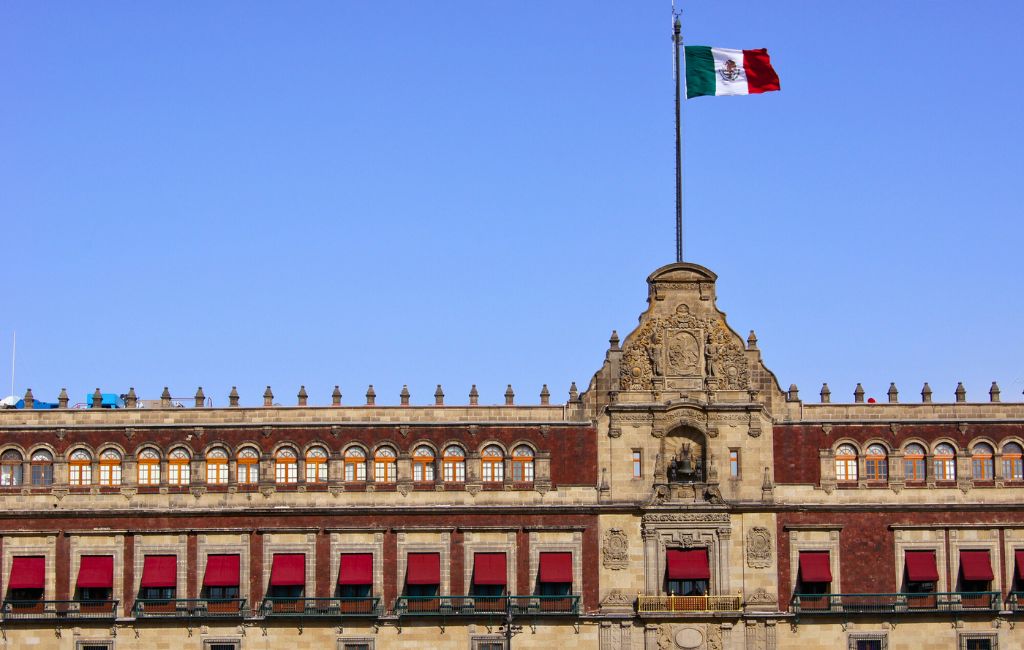
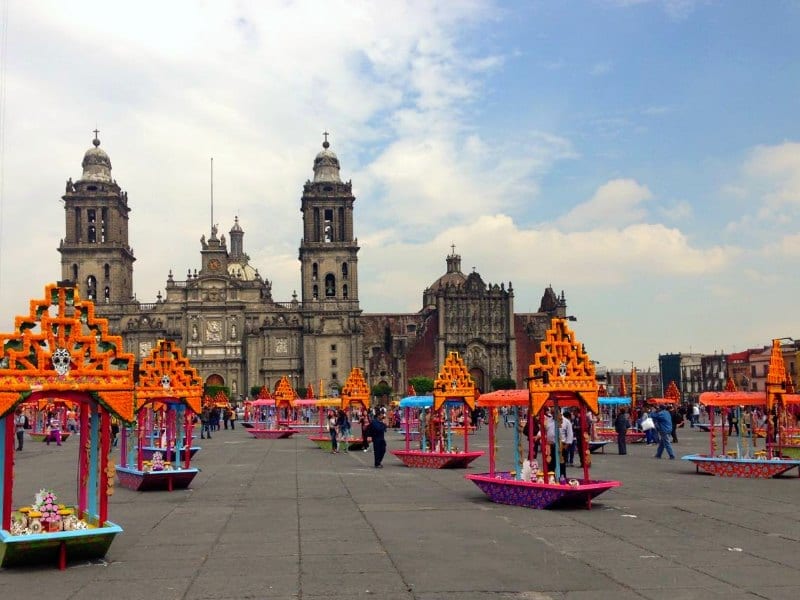
El Zócalo has been the heart of Mexico City since Aztec times when it was the main ceremonial centre of the capital Tenochtitlan. It’s also known by its formal name, Plaza de la Constitución and is one of the largest city squares in the world.
If you can handle an early start then it’s worth arriving at 8am to watch the ceremonial raising and lowering of La Bandera, the huge Mexican flag that flies in the centre of the square. A similar ceremony takes place at 6pm.
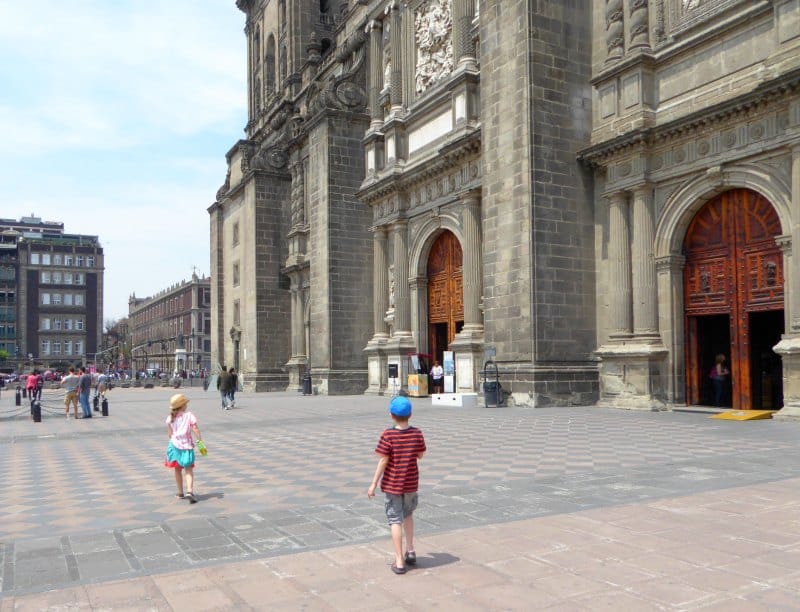
The square is bordered by government buildings to one side, including the Palacio Nacional (National Palace), and the Metropolitan Cathedral in the middle. The cathedral (its full title is the Metropolitan Cathedral of the Assumption of the Most Blessed Virgin Mary into Heaven) is one of the largest and oldest cathedrals in Latin America.
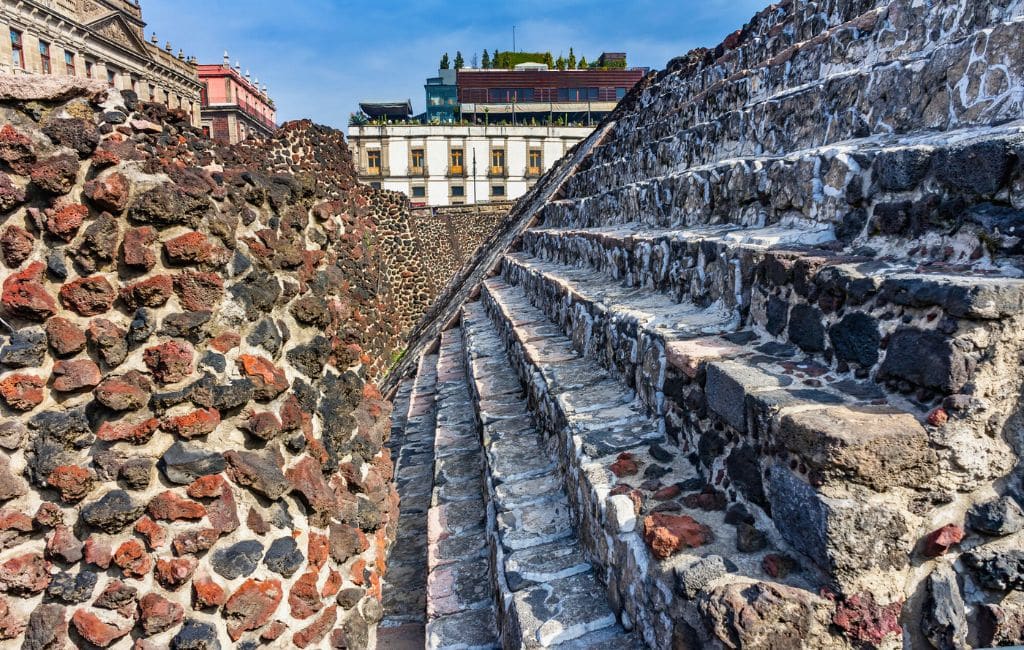
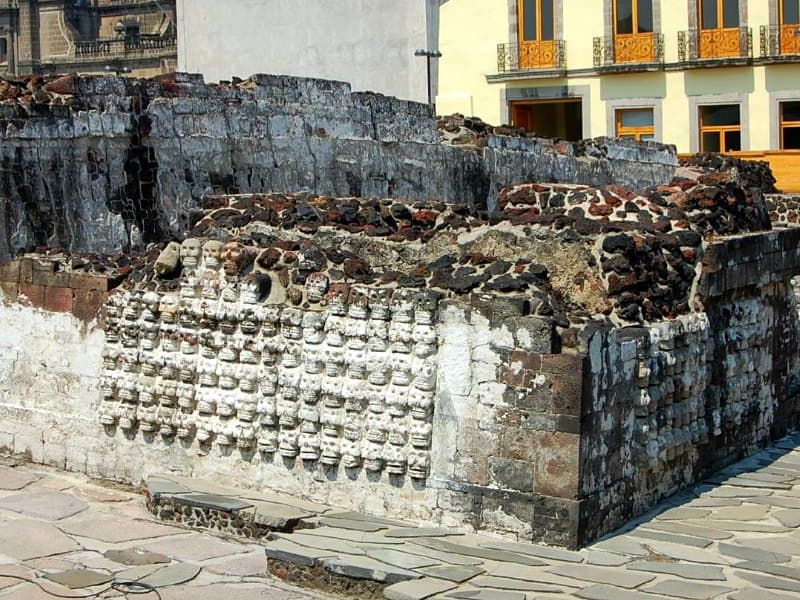
Located almost next door to the cathedral, El Templo Mayor – the Great Temple – is one of my favourite sights and one of the city’s main attractions. This was once one of the main temples of Tenochtitlan, the former capital of the Aztec empire, where ritual and ceremonial activities took place, including human sacrifices.
What I find most fascinating about this temple is that it was only discovered in 1978 by electrical workers carrying out repairs. After the Spanish Conquest in 1521, the Templo Mayor was destroyed and the stones used to build structures including the Cathedral. What did survive was buried beneath the city.
The accompanying museum is equally fascinating, showcasing the many objects discovered in the ruins. The most famous piece is the Coyolxauhqui Stone, which displays the displays the female deity Coyolxauhqui, but my favourite are the larger than life terracotta sculptures of Eagle Warriors.
Lunch: Mercado San Juan
It’s roughly a 30 minute walk from El Templo Mayor through the historic center to El Mercado de San Juan (San Juan Market), one of the best foodie spots in the city.
Spread over two buildings, the busy market sells everything from fresh fruit and vegetables to meat and seafood. It’s often referred to as the “chef’s market” owing to the high quality and incredible food. It’s also where you can find exotic meats including things like armadillo, iguana, wild boar and alligator.
If that sounds a bit much, try the crispy ants, grasshoppers and beetles instead – popular snacks since pre-Columbian times. If you really want to explore the market then visiting with a guide is a good idea.
There are a handful of food stalls at the market where you can sit and enjoy lunch.
Afternoon: Palacio de Bellas Artes
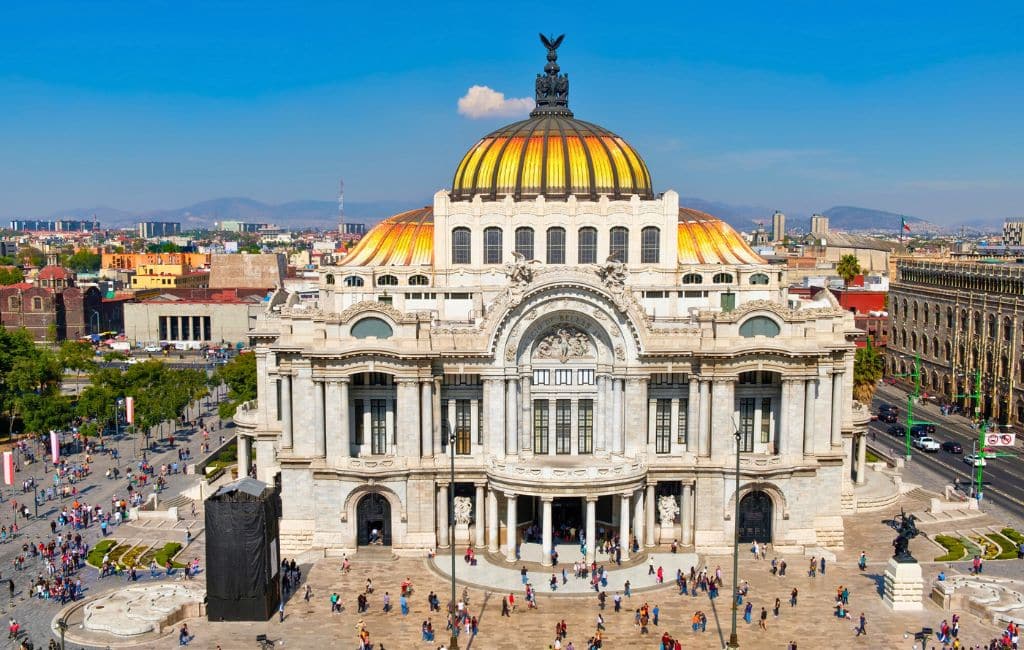
From San Juan Market, wander Dolores towards the golden domes of el Palacio de Bellas Artes (Palace of Fine Arts).
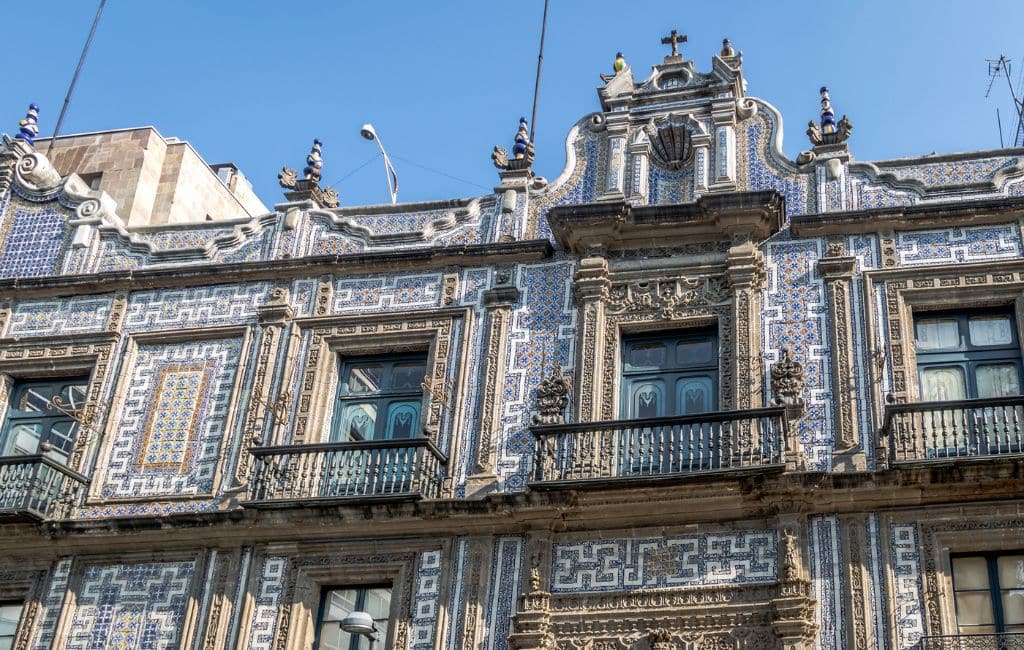
Before you step inside, stop by Casa de los Azulejos or “House of Tiles”. The pretty 16th-century Baroque palace is covered in bright blue and white Talavera ceramic tiles – you’ll find it on Avenida Juarez, near the corner with Eje Central Lazaro Cardenas.
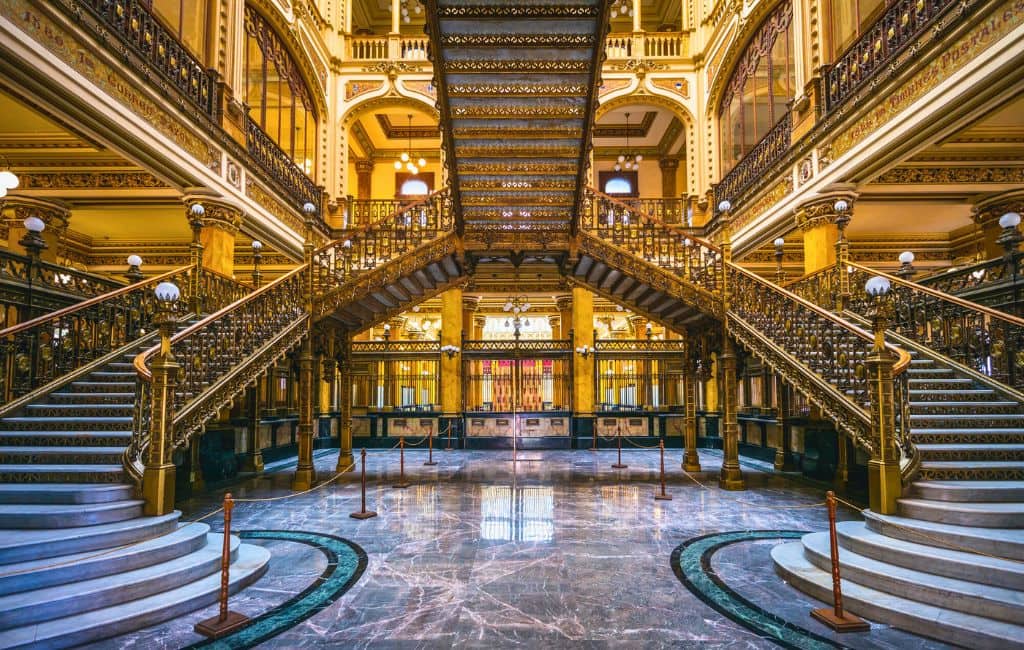
Also nearby, on the Corner of Calle de Tacuba and Eje Central Lazaro Cardenas, is the Palacio de Correos de México also known as the “Correo Mayor” (Main Post Office) with stunning Art Deco interiors.
Despite how good-looking these two buildings are, nothing quite tops Palacio de Bellas Artes, which really is one of the most beautiful buildings in Mexico City.
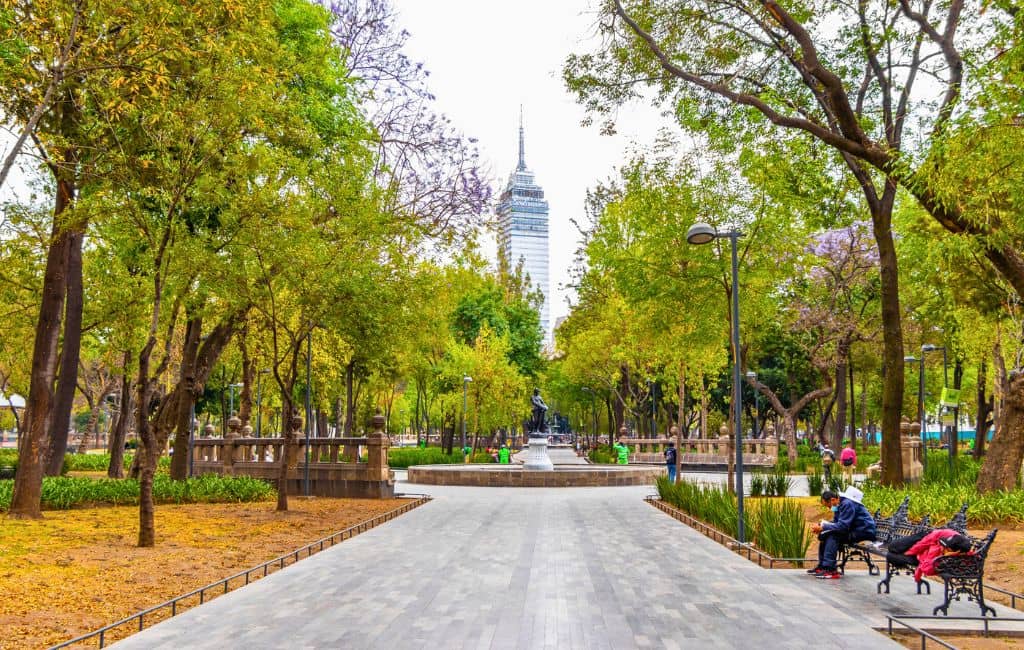
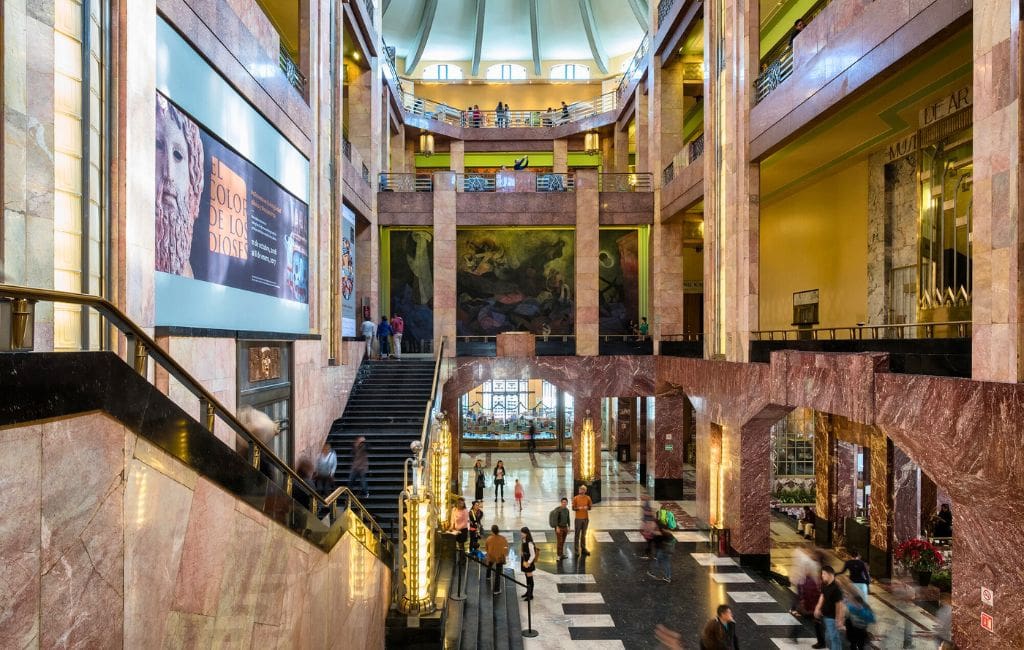
Built between 1904 and 1934, the building takes centre stage within the Alameda Central Park, the oldest public park in Latin America. The park opened in 1592 by mandate of the then Viceroy Luis de Velasco and is still a popular place for friends and families to gather today – it’s particularly busy at weekends.
While the exterior is a mixture of neoclassical and Art Nouveau architecture, the interiors are an Art Deco delight from the ticket booths and stylised serpents’ heads on window arches to the masks on the vertical light panels. There are also murals by some of Mexico’s most famous artists including Diego Rivera.
Time your visit right and you can catch the Ballet Folklórico de México, a colourful ballet show that takes place on Wednesdays and Sundays.
Not only will you get to enjoy the show but you will be able see the incredible crystal theatre curtain, made by luxury jewellery brand Tiffany in 1912. It’s an amazingly detailed mosaic made from a million 2cm crystals depicting the landscape of the Valley of Mexico.
Day 2: Chapultepec Park
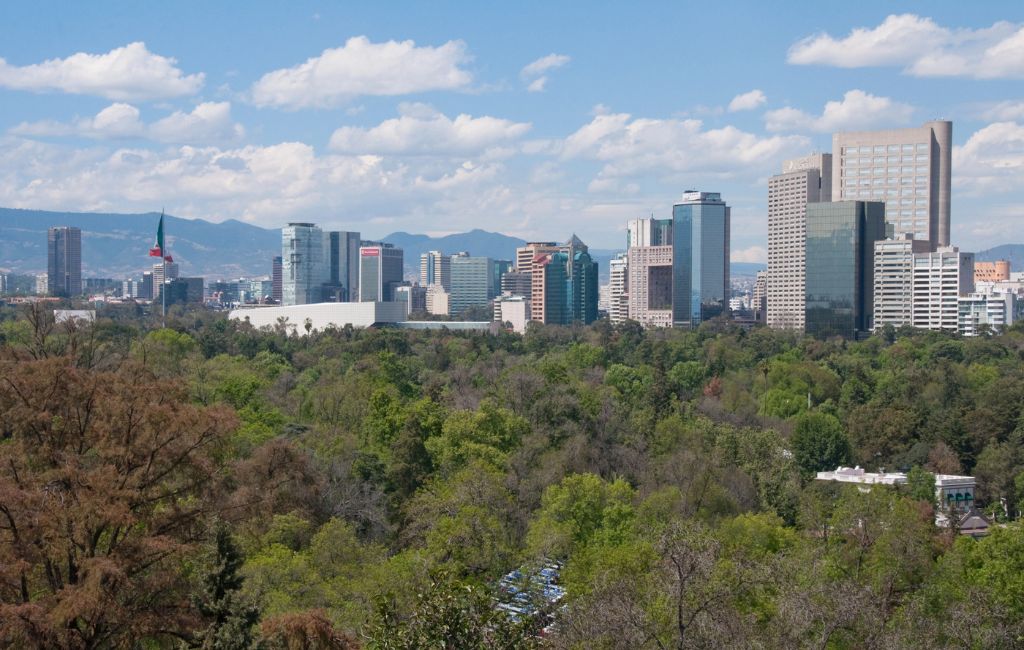
Covering a massive 866 hectares, the leafy Bosque de Chapultepec, Chapultepec Park, is Latin America’s oldest and largest park and is often referred to as Mexico City’s “lungs”.
The park is home to a number of museums, including the Museo Tamayo and the Museum of Modern Art, as well as the zoo, which is a great option if you are visiting Mexico City with kids.
Morning: Museo Nacional de Antropología
Mexico City’s pride and joy is the Museo Nacional de Antropología, the National Museum of Anthropology. Home to the world’s largest collections of archaeological and anthropological artefacts from pre-Hispanic Mayan civilisations, the museum is the most visited in the country.
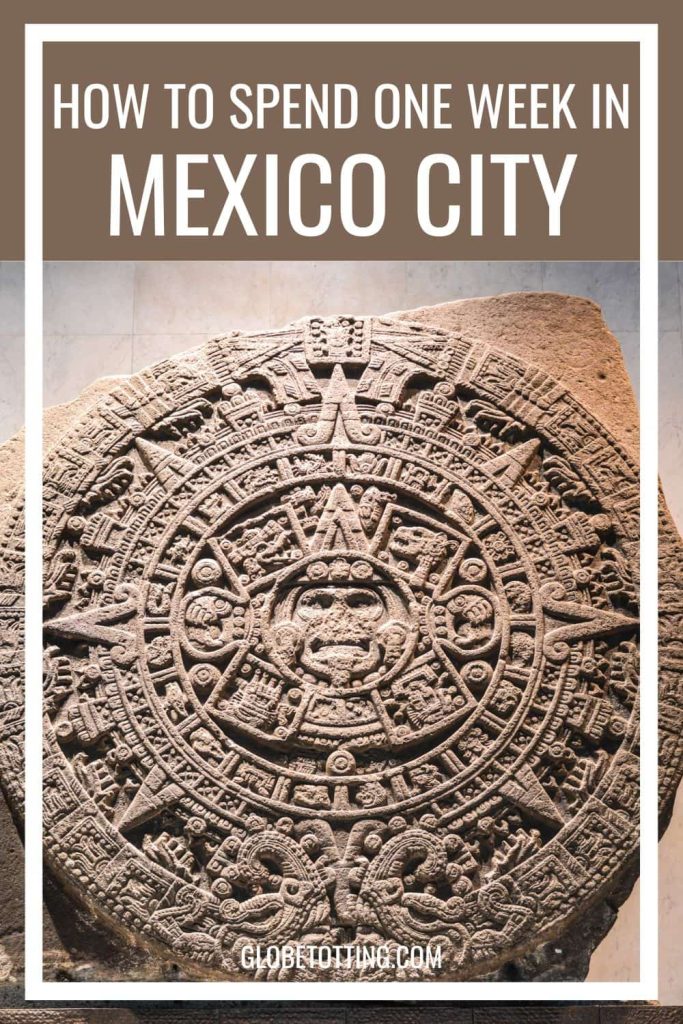
You could easily spend all day here but the highlights can be enjoyed during a morning visit. These include the enormous carved Sun Stone, or Aztec Calendar, and the Jade mask of the Zapotec Bat God.
There are also a number of artefacts from Teotihuacan, the most important and largest city of pre-Aztec central Mexico, including a grinning skull found near the Pyramid of the Sun. The rooms upstairs showcase traditional dress and costumes from Mexico’s present-day indigenous groups.
Equally impressive is El Paraguas (The Umbrella), the towering fountain that stands in the museum’s inner courtyard. The bronze column was carved by José and Tomás Chávez Morado, artist brothers from Guanajuato, Mexico.

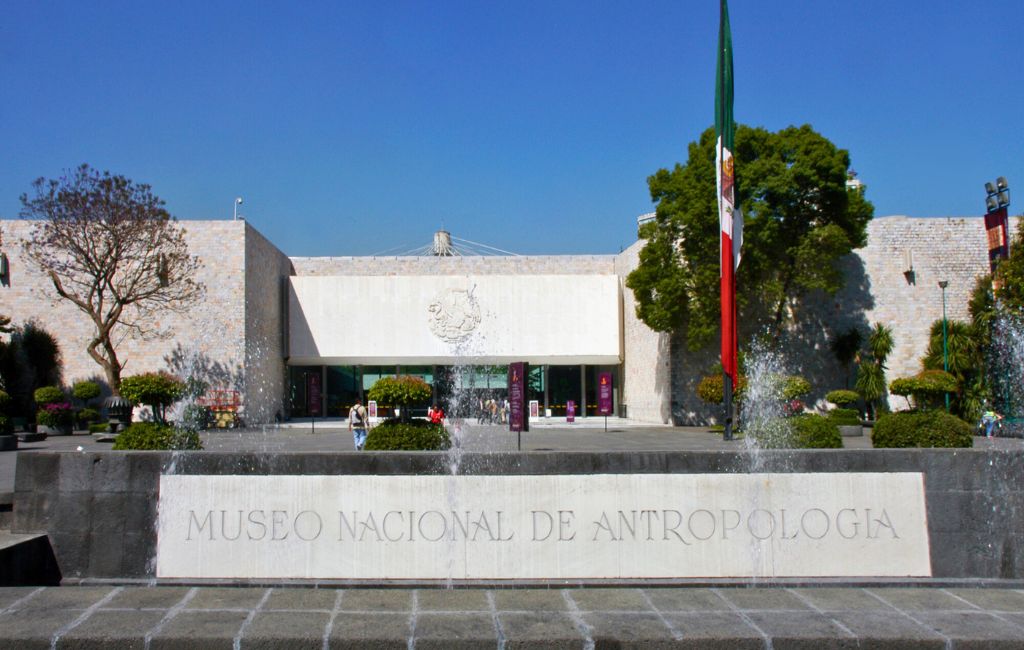
Keep an eye out for the Danza de los Voladores (Dance of the Flyers), performed by indigenous Totonac people in the clearing outside the museum entrance. Also known as Palo Volador (pole flying), this is an ancient Mesoamerican ceremony that, according to one legend, was created to ask the gods to end a severe drought.
The ‘dance’ consists of five participants who climb to the top of a 30-meter pole. From here, four of the five members launch themselves from the top of the pole and, tied with ropes, gently wind their way to the ground. The fifth remains at the top, playing a flute and drum. La Danza is performed roughly every 30 minutes during the museum’s opening hours.
Lunch: Polanco
Head to nearby Polanco for lunch. This is Mexico City’s answer to Beverly Hills, a ritzy neighbourhood filled with high-end shops and restaurants. It’s also where a number of business are headquartered as well as schools.
Running through the middle of the colonia is manicured Parque Lincoln that stretches from Edgar Allen Poe to Aristoteles.
There are plenty of lunch options to choose from including Cafebrería El Péndulo Polanco. My favourite place to grab a coffee and a snack is the small but friendly Cafe Biscottino.
Afternoon: Chapultepec Castle
Think of castles and it’s most likely that you’ll think of Europe, or maybe even Asia. The opulence of Versailles in France or the Forbidden City in Beijing. You don’t immediately think that there would be a castle in Mexico City.
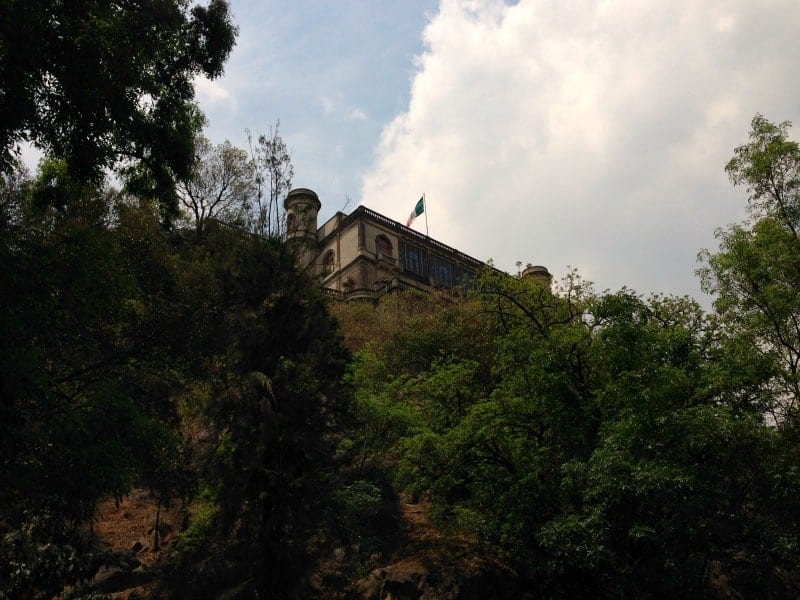
And yet at the heart of one of the largest cities in the world stands El Castillo de Chapultepec, Chapultepec Castle.
The castle’s location, at the top of el Cerro de Chapulin (Hill of the Grasshoppers) has played an important role since pre-Hispanic times; below the castle you’ll see the remains of aqueducts that once carried water to the capital Tenochtitlan. There are also, reportedly, some Aztec-era stone carvings at the base of the hill but we never managed to find them.
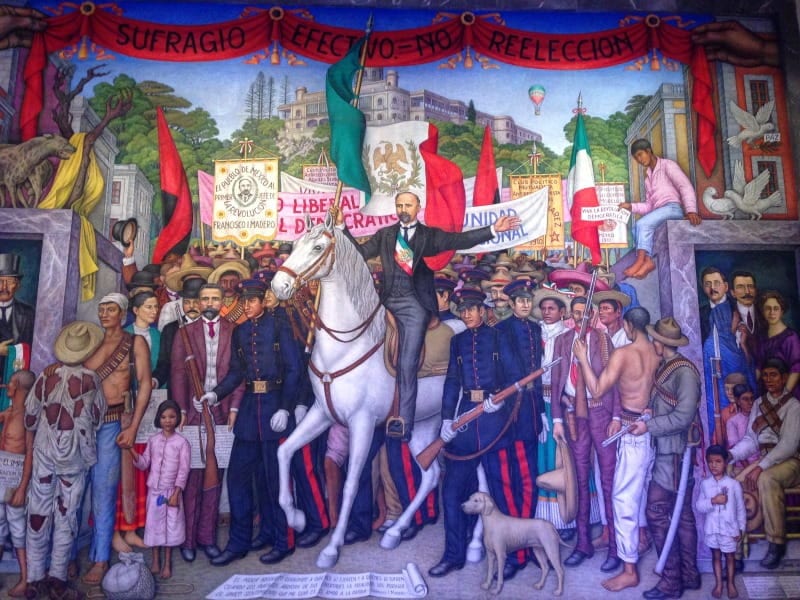
Over the years the castle has played various roles (it’s the only castle in North America that has actually been a royal home); official residence for royalty, military academy, presidential residence and its current incarnation as Mexico’s National Museum of History.
Today the rooms are dedicated to different periods in Mexican history as well as the history of the castle.
On display are some pre-Colombian artefacts, old costumes and weaponry, the ornate carriage that once belonged to Maximilian of Austria who was briefly Emperor of Mexico, as well as jewellery, official stamps and seals and an enormous pair of doors constructed entirely from jade.
Day 3: La Condesa & Roma Norte
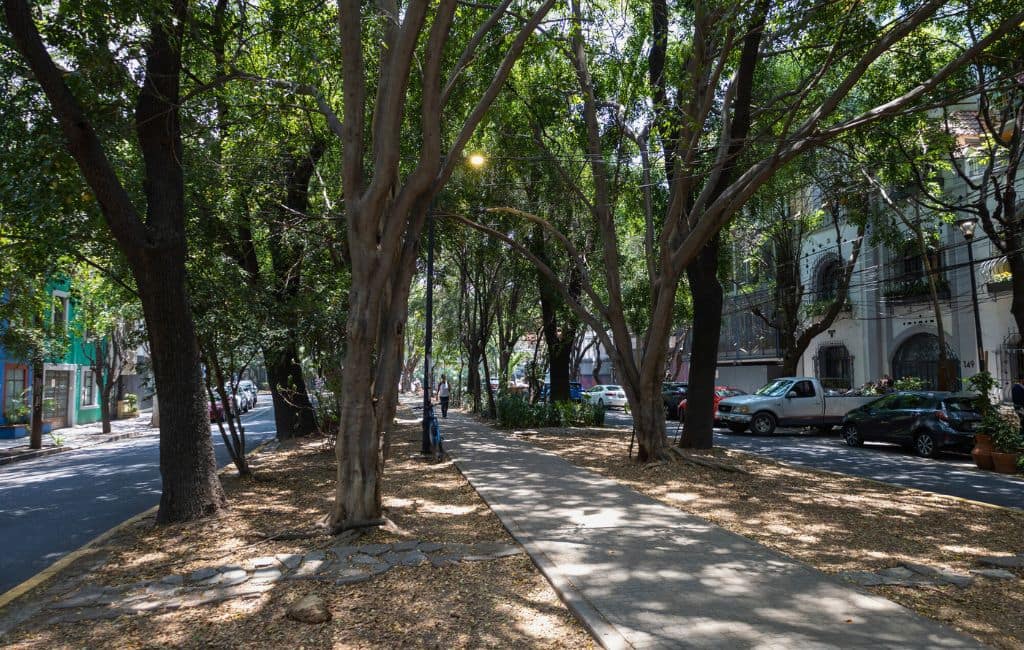
The neighbourhoods of Condesa and Roma Norte are two of the coolest in el Ciudad de México. Laidback, walkable and filled with excellent cafes and restaurants, they feel more like villages than part of a megacity. We lived in Condesa during our time in Mexico City and loved it!
Morning: Breakfast in La Condesa
There are so many good places to eat in Condesa that narrowing it down to just one for breakfast is a challenge.
That said, if I could only choose one restaurant then it would be Lardo. This was my all-time favourite place to eat when we lived in Mexico City and I have been known to eat breakfast, lunch and dinner here in one day! My favourites were the chilaquiles, fried corn tortilla pieces that are cooked in salsa, sprinkled with cheese and come with a fried egg.
Lardo also has an excellent pastry selection, if you still have space then I recommend grabbing one, along with a takeaway coffee, for the next part of your Condesa tour.
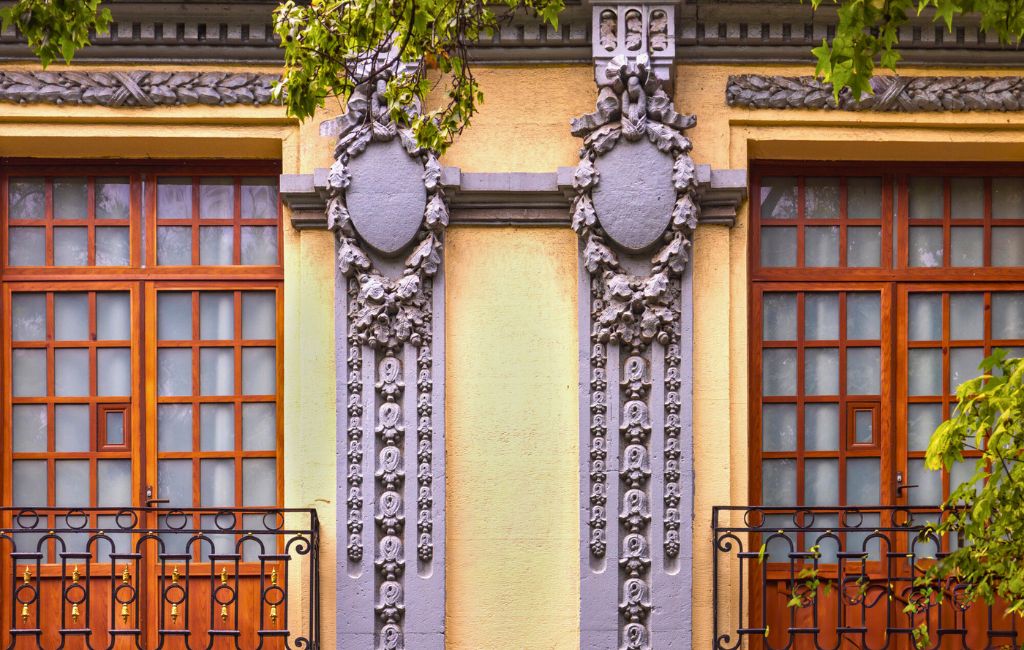
One of the things that I loved most about living in Condesa was how compact it is. This leafy neighbourhood, all tree-lined streets, colonial homes and Art Deco houses, is a welcome escape from the busy city center.
I recommend taking a stroll around Avenida Amsterdam, a circular pedestrianised loop that runs through the heart of the neighbourhood. The road was once the city’s horse racing track and today is a still a focal point of the colonia.
Amsterdam passes by Condesa’s two main parks, Parque España and Parque Mexico.
Parque España is particularly popular at weekends thanks to its playground and the large number of families that live here.
Parque Mexico is nearby and the larger of the two. It was built in 1927 and is the former site of a horse race track of the Jockey Club de Mexico. At the centre is the Teatro al Aire Libre Lindbergh (Lindbergh Open Air Theatre).
Weekends here are equally busy with kids riding bikes, friends throwing frisbees, groups playing football and more. Enterprising locals set up stands on Saturdays and Sundays offering activities for kids.
Lunch: Roma Norte
It’s an easy walk from Condesa to neighbouring Roma Norte. There are various routes to choose from but one option is to walk through Parque Mexico, past the duck pond and the children’s playground towards Plaza Popocatépetl. This is one of my favourite squares in Condesa thank to the Art Deco fountain in the middle that sometimes works
Cross over Avenida Yucatan and onto Calle Guanajuato and you are in Roma Norte. Like Condesa, this is a neighbourhood made for wandering with tree-lined streets and a mishmash of characterful architecture. Nevertheless, there are a handful of places to see (and when I say see, what I really mean is eat – this neighbourhood is home to some of the best restaurants in the city!).
- Mercado Roma: This cool food hall opened shortly before we left Mexico City and was already a hugely popular spot. It features up-coming-chefs and plenty of very good food that you can enjoy at communal-style wooden tables.
- Panaderia Rosetta: This always-popular hole-in-the-wall bakery was a favourite of ours when we lived here. It’s the perfect place to pick up a coffee and a pastry while you wander around.
- Lalo!: One of the best places in Mexico City for brunch, Lalo! is owned by `Eduardo Garcia who is also the head of Maximo Bistrot in Condesa. I like pretty much everything on the menu at Lalo! but favourites include their incredible Croque Monsieur, delicious French toast and signature chilaquiles.
- Rosetta: It was difficult to get a reservation at Rosetta when we lived in Mexico City but apparently it’s even harder these days. Regardless, it’s worth persisting as not only is the food excellent (it’s headed by superstar chef, Elena Reygadas), it’s one of the prettiest restaurants in town, housed within a leafy townhouse.
- Contramar: The place to come for a long, leisurely Mexican lunch is this ever-popular seafood restaurant. Don’t miss the tuna tostadas – I’ve never tasted better anywhere else! Contramar is only open for lunch.
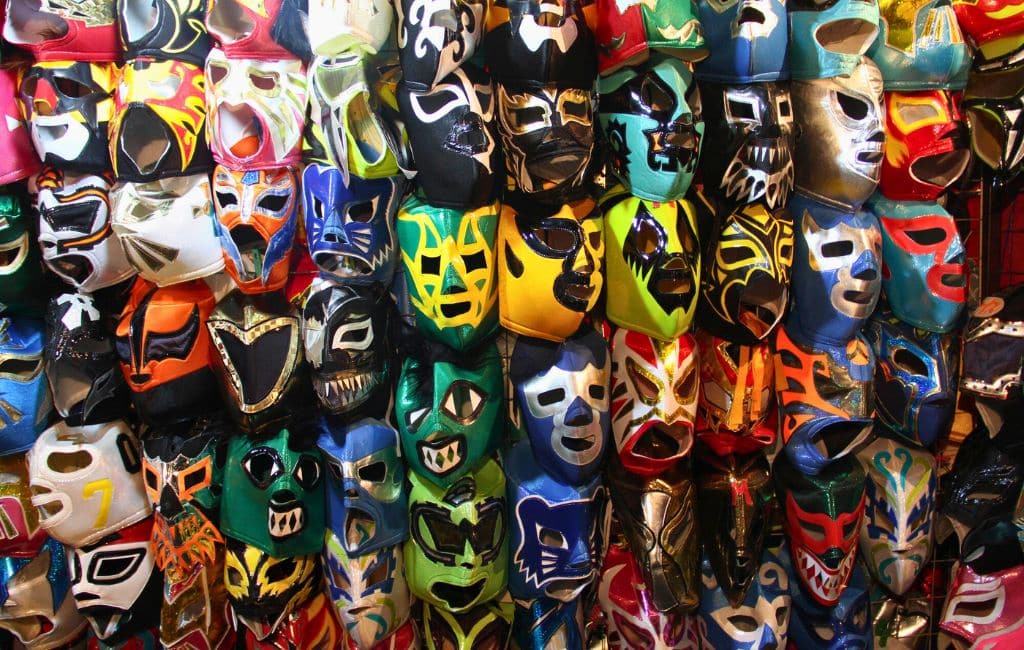
Evening: Lucha Libre
You can’t visit Mexico City without experiencing a night at the Lucha Libre, Mexico’s wonderfully theatrical version of professional wrestling.
It’s one of the most popular spectator sports in Mexico, eclipsed only by football / soccer, and is a highly entertaining combination of athleticism and showmanship with all the drama of a telenovela.
The best place to catch a match is at Arena México in Doctores. I wouldn’t recommend hanging out in Doctores, better to take an uber ride to the stadium and organise for one to pick you up again afterwards.
Day 3: Coyoacan
Today is all about exploring Coyoacán, a colourful neighbourhood south of the centro histórico with pretty cobblestone streets and colonial architecture. It’s also where you’ll find one of the most famous addresses in Mexico City, La Casa Azul, the childhood home of artist Frida Kahlo.
Morning: La Casa Azul
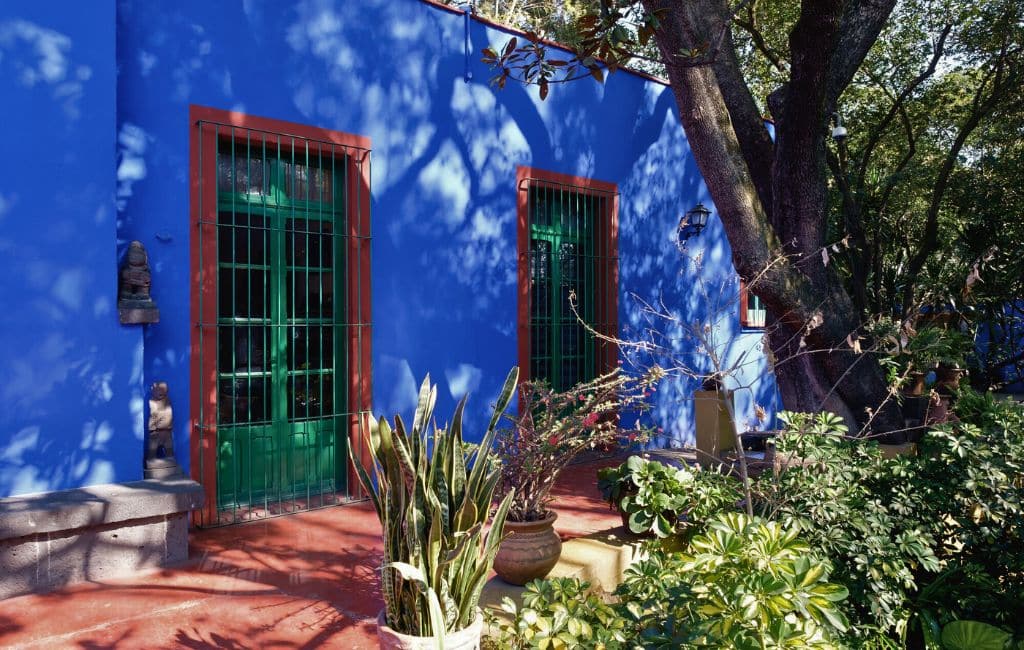
One of the best places to visit in all of Mexico City is La Casa Azul, the Blue House. This is the childhood home of artist Frida Kahlo and is today a museum filled with personal memorabilia and artwork – Frida lived here on and off throughout her life and this is where she also died.
The home, with is bright cobalt blue walls, was built by Frida’s father Guillermo three years before she arrived into the world. There’s some discrepancy over her actual birth date however. Her official birth certificate says July 6, 1907 but Frida reportedly liked to give her birth date as July 7, 1910, the year of the start of the Mexican revolution. She’s said to have wanted her life to begin together with modern Mexico.
Little has changed in the house today and the guided route through the old family home winds its way through the former living room, kitchen, Frida’s bedroom and the bedroom that once belonged to her husband Diego Rivera.
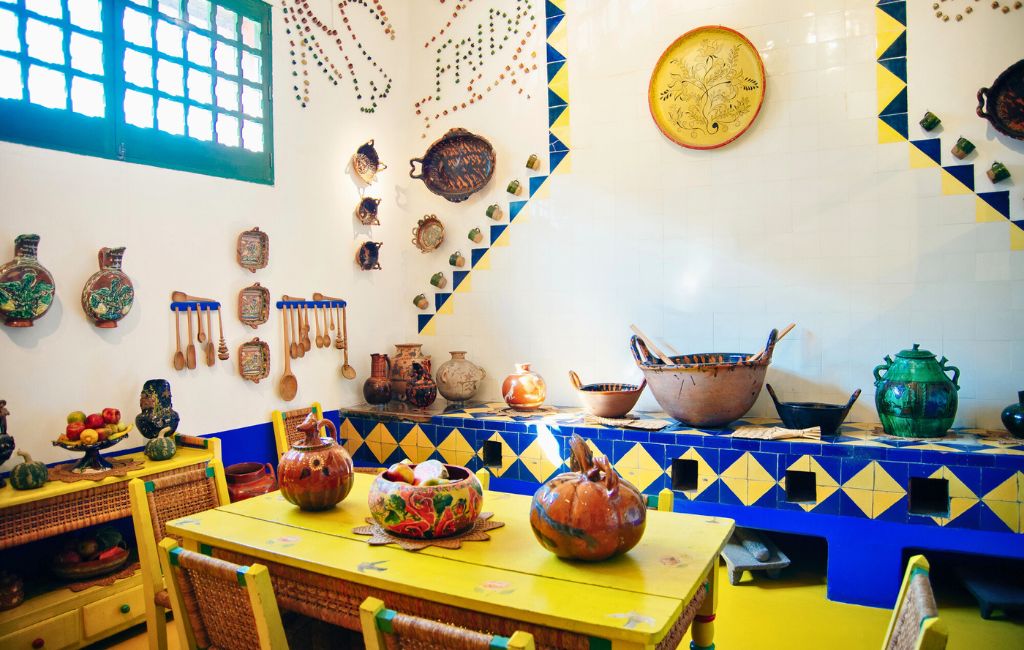
Kitchen implements, jewellery, traditional cookware, photographs, letters and postcards are on display throughout the 10 rooms. My favourite is Frida’s studio with her art supplies still on display and her wheelchair positioned in front of an easel.
There’s lots of original artwork too including some examples of Rivera’s Cubism painting. On display in a separate building entered towards the end of the visit is is Frida Kahlo’s wardrobe. After her death in 1954 Diego Rivera shut her belongings in a room and ordered that they be locked away until 15 years after he died. As it was, the room wasn’t opened until 2004.
Today, Frida’s personal belongings – from half-used nail polish bottles to her signature flamboyant headpieces – are on display at La Casa Azul. Among the items of clothing and jewellery on view are also corsets, crutches and a prosthetic leg that she was forced to use after having her leg amputated owing to gangrene.
The home also has a beautiful garden and a very good gift shop. This is one of the most-visited museums in Mexico City so it gets very busy. You must buy tickets online in advance and select the day and time that you want to visit – I recommend booking an early morning slot.
Lunch: Mercado Coyoacan
Not far from the La Casa Azul is the Mercado Coyoacan, a lively market and where you’ll find the food stall, Tostadas de Coyoacan. Whether or not they really make the best tostadas in the city as the claim is debatable but they are very good and it’s a great spot for lunch.
If you feel like a more leisurely lunch then head towards Plaza Hidalgo and Jardin Centenario.
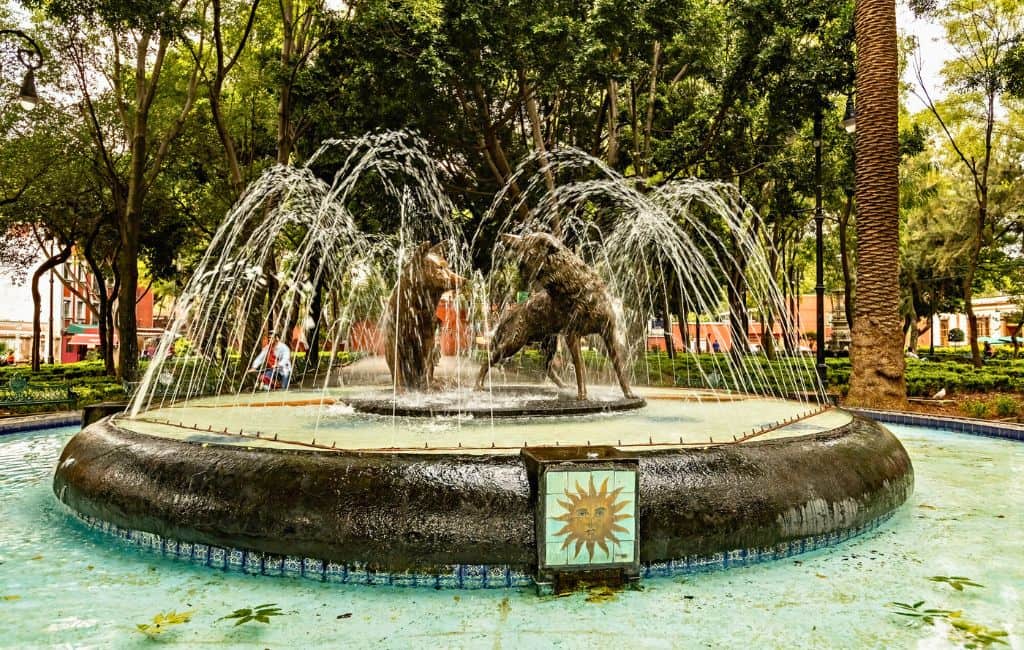
There’s a fountain in Jardin Centenario with two coyotes (Coyoacan means Place of the Coyotes in Nahuatl, the language of the Aztecs) and in cobblestoned Plaza Hidalgo, the statue of revolutionary leader Miguel Hidalgo. Restaurants and cafes flank both squares and are another good option for lunch.
Afternoon: Museo Casa de Leon Trotsky
Although not as dynamic as La Casa Azul, it’s well worth taking time to visit the final home where exiled Russian revolutionary Leon Trotsky spent his final years before he was assassinated by Moscow.
Located a short walk from the famous blue house, what’s most interesting about this unassuming home are the stark room where Trotsky lived out the final few years of his life – you can even see his toothbrush still resting in its cup in the bathroom. A stone stele in the garden contains Trotsky’s ashes.
You don’t need long here but it’s still well worth a visit if you are in the neighbourhood.
Day 4: Xochimilco
Long before Mexico City became one of the largest cities in the world, the Valley of Mexico was a vast lake system connected by a complex system of causeways and canals, and dotted with islands and chinampas (floating gardens). There were bridges that could be raised and lowered, levees, dams and miles of aqueducts.
In Nahuatl, Xochimilco (pronounced so-chee-mil-co) means ‘garden of flowers’ or ‘place where flowers grow’.
When the Spanish conquistadors arrived, however, they set about draining the canals, destroying the dams and building roads in their place instead. In doing so, they totally transformed the valley.
Today, it’s hard to imagine that the seemingly limitless urban sprawl that characterises Mexico City was ever home to lagoons and waterways. Until, that is, you visit the canals of Xochimilco in the south of the city.
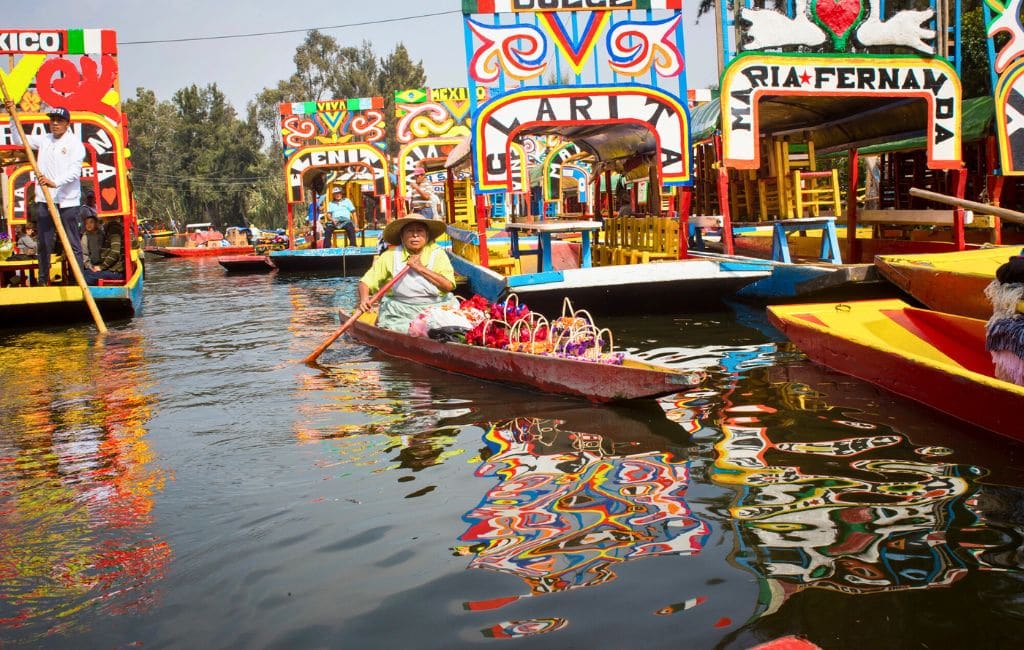
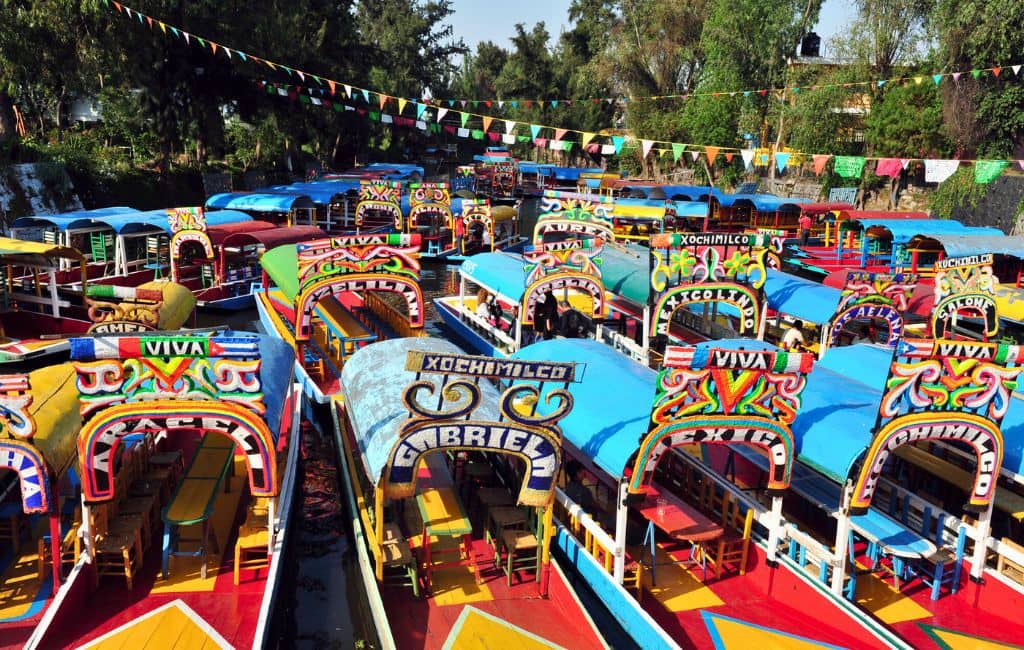
A day spent floating along the ancient waterways on colorful trajineras (a type of Mexican gondola) is must do when you’re in Mexico City.
It’s hugely popular with locals too the canals are busy on weekends with families, groups of friends and couples cruising along the ancient canals enjoying a floating fiesta, often being serenaded by mariachi bands or having their photo taken by a photographer in a canoe.
It’s tempting to think that Xochimilco has been made for tourists but the reality is that while tourism is very much part of the locals’ livelihood, this is very much a living, breathing community with farmers still growing vegetables and flowers on the remaining chinampas.
In terms of visiting, there are 11 embarcaderos (boat landings) where you can board a trajinera. If driving, you’ll often find that men on bicycles will spot you trying to navigate your way around Xochimilco’s streets and will offer to lead you to the embarcardero where they work.
As much as it’s tempting to think of this as some kind of tourist trap it’s actually very helpful and because all the boat prices are fixed, you can’t be ripped off. Unless you have a preferred dock then I would recommend following one of these men on bikes. Alternatively, ask your taxi driver for a recommendation.
There are official rates for everything – from the boat hire to price per song from a Mariachi band.
At the time of writing, the official website had been suspended at the time of writing but rates should be around MXN $750 per hour. This is per boat not per person. You should also tip your boatman at the end of your journey. Tour packages – for example to see the rather creepy Island of Dolls – are also available.
The trajineras seat 14 to 20 people. Benches or wooden chairs sit either side of a long wooden table. The table and chairs are in the shade. On Saturdays, Sundays and holidays, there are lanchas colectivas (larger launches) that fit 60 people.
The canals are open year-round; weekdays are quiet, weekends are lively, busy and fun!
A day in Xochimilco is one of my favorite things to do in Mexico City so you really must make sure to include it in your one week in Mexico City itinerary.
Day 5: The Pyramids of Teotihuacan
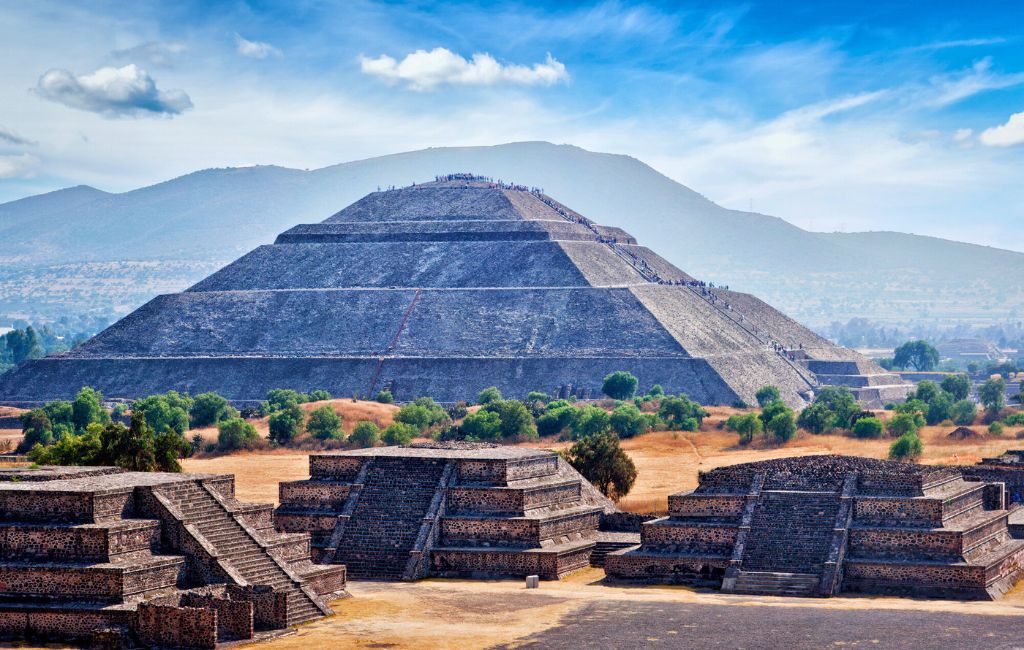
Chichen Itza, in the Yucatan Peninsula, might be Mexico’s most famous archaeological site but I prefer the Pyramids of Teotihuacán. Located 48 kilometres northeast of the city centre, Teotihuacan was an enormous city built entirely by hand more than a thousand years before the arrival Nahuatl-speaking Mexica or Aztec people in central Mexico.
Its exact origins remain shrouded in mystery but archaeologists do know that it was the largest city anywhere in the Western Hemisphere before the 1400s with thousands of residential compounds and dozens of pyramid temples.
The city contains an enormous central street, the Avenue of the Dead, a lengthy road that links the main pyramids: the Temple of Quetzalcoatl, the Pyramid of the Moon and the Pyramid of the Sun.
It’s well worth the effort to climb the latter two to the top for panoramic views over what would have once been a bustling city.
You can choose to visit with a tour guide but I’ve always just wandered at will. It’s an extraordinary place, especially when you realise that only some parts of the site have been excavated.
Not surprisingly, the Pyramids of Teotihuacan do get busy so it’s well worth arriving early to beat the crowds. Another good reason for an early start is to take a hot air balloon ride for truly spectacular views of this most impressive or archeological sites.
If you do decide to do a hot air balloon ride then all the companies offer transportation from the city and they will pick you up around 4.30am (yes, that early!). Alternatively you can travel to the pyramids by public bus, taxi or on a tour.
Plan for a full day trip to Teotihuacan.
Day 6: San Angel
Once upon a time, the southern neighbourhood of San Angel sat apart from the rest of Mexico City. Wealthy families built grand country homes here among the rugged terrain, which they retreated to when city life became too much.
These days, San Angel has been swallowed up by Mexico City’s urban sprawl but pockets of its charming tree-lined streets and bougainvillea-clad houses remain.
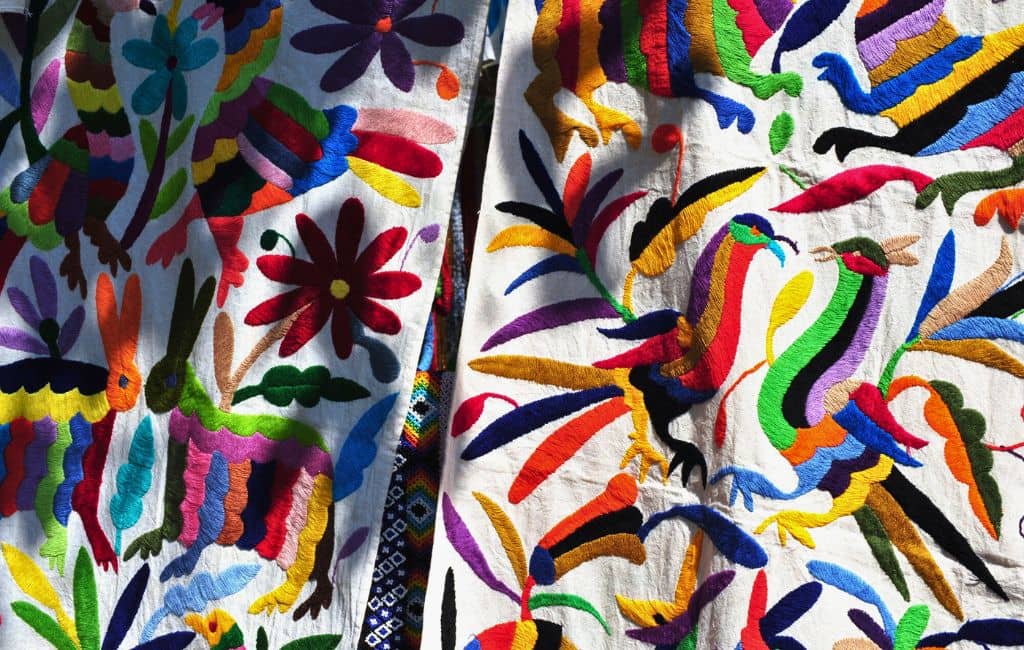
If possible, I would recommend organising your itinerary so that you visit San Ángel on a Saturday because this is when the weekly market takes place. Unlike local markets that sell produce and street food, El Bazar Sabado (the Saturday Market) in San Angel is filled with vendors selling arts and crafts from across Mexico.
Morning: El Bazar Sabado
The colourful market takes place in a two-storey building just off the main Plaza San Jacinto and is always busy, primarily with visitors keen to buy gifts and souvenirs to take home.
That said, it doesn’t feel touristy and the handicrafts are all authentic. Some of my favourite pieces include the Huichol beaded work, Oaxacan pottery and cartonería (papier-mâché) sculptures. You’ll also find woodwork, jewellery, ceramics, textiles and much more.
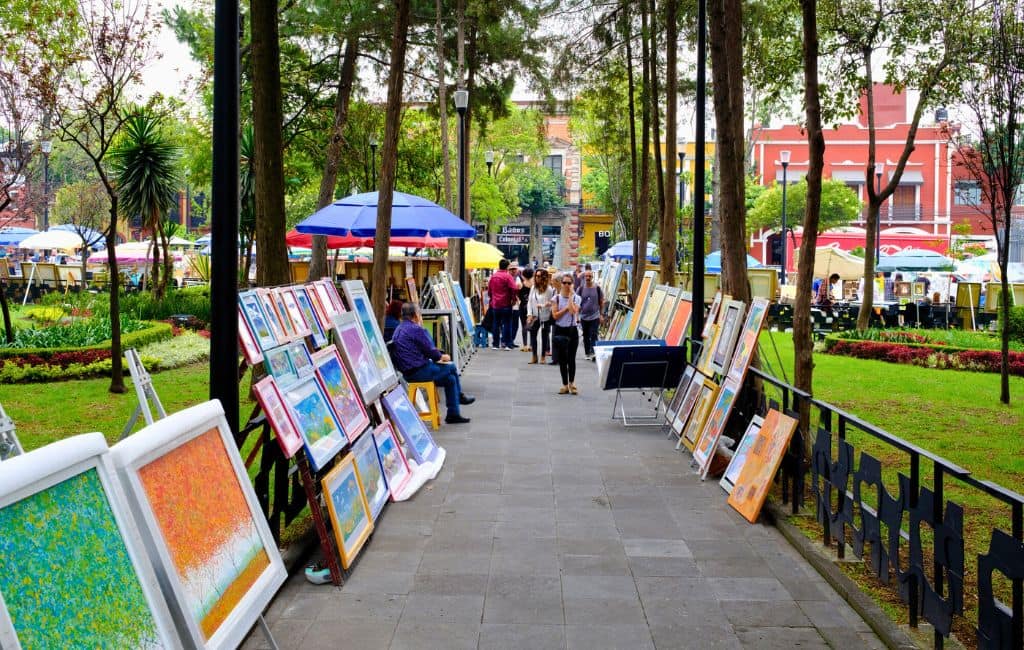
The market spills into the cobbled streets outside and the main plaza where artists sell their paintings under rainbow-coloured sun umbrellas. Make sure to wander along the roads leading off the square and look in the bougainvillea-clad boutiques selling yet more arts and crafts.
The market opens at 9am and it’s not a bad idea to arrive in the morning before it gets too crowded. I
Lunch: San Angel Inn
Once you’ve had your fill of shopping head over to the San Angel Inn for lunch. This long-standing and very popular restaurant sits within an old Carmelite monastery with beautiful gardens and is the perfect spot to stop and enjoy a long, leisurely Mexican lunch, often accompanied by the sound of mariachi bands playing.
There’s a pretty, flower-filled courtyard, perfect for kids to rumble around, and there is lots of delicious food to choose from. Reservations at weekends are a must.
Afternoon: Museo Casa Estudio Diego Rivera & Frida Kahlo
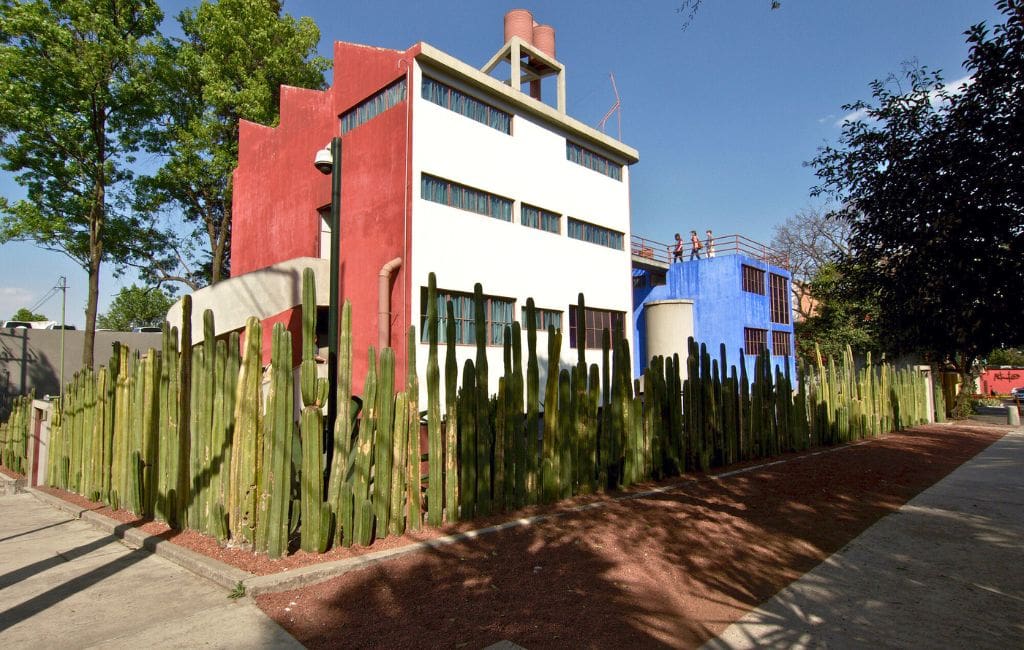
Just around the corner from the San Angel Inn is the Museo Casa Estudio Diego Rivera & Frida Kahlo, the former home and studio of two of Mexico’s most revered artists Frida Kahlo and her husband Diego Rivera.
The museum is housed within two “functionalist” buildings, a big boxy white and red structure that once was once the residence and studio belonging to Diego Rivera and a cobalt blue one that belonged to Frida Kahlo (although it’s important to note that this is not the famous Blue House located in Coyoacan – apparently quite a few tourists turn up here expecting to visit her childhood home!). An elevated bridge connects the two.
The buildings were designed by architect Juan O’Gorman and built between 1929 and 1932.
Located behind the properties is the Cecil O’Gorman House, named after the architect’s father and the first property that Juan O’Gorman designed. Apparently when Rivera saw the house, he asked O’Gorman to build two similar homes for himself and Frida Kahlo on the land next to it. Although Kahlo only lived here intermittently (she much preferred her home in Coyoacan), Diego Rivera lived here until his death in 1957.
Most interesting, I think, is Diego Rivera’s house, which still contains some of the original furniture and artwork from when he lived here.
Day 7: Cycling & Culture
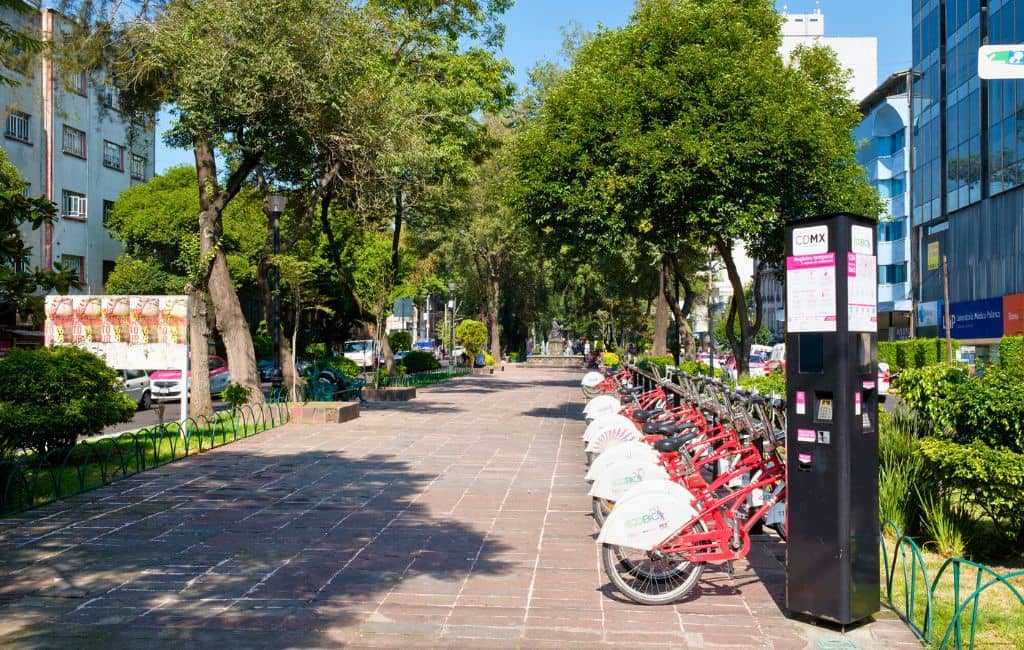
If you still have the energy to explore more of Ciudad de México – and you happen to be in the city on a Sunday morning – then I recommend hiring an EcoBici, the city’s cycle hire scheme, and joining in with the Sunday Cycle.
Morning: Sunday Ciclovía
Taking place on the first three Sundays of the month is Sunday Ciclovía, when roads are closed to traffic and opened to cyclists. It’s one of the largest weekly car-free cycling rides in the world and one of those things that you really must experience during your one week in Mexico City.
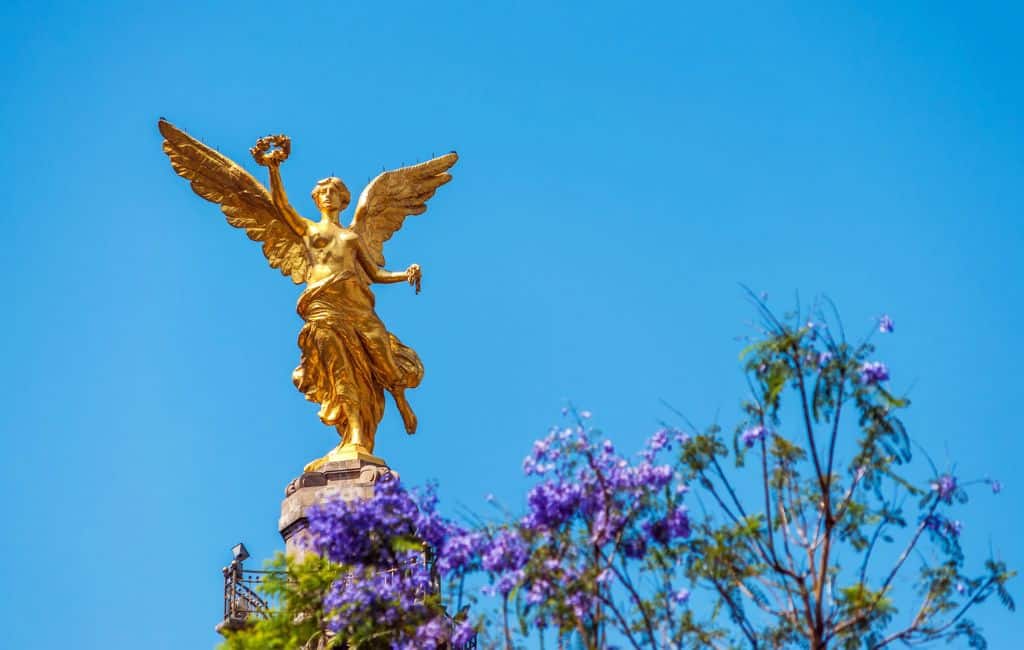
From 8am to 2pm, local cyclists, pedestrians, scooters and skaters can enjoy 55 car-free kilometres around the city past some of the city’s main sights including the Angel of Independence (Ángel de la Independencia.), the gilded angel that towers above the city).
The main stretch of road closures is along Paseo de la Reforma, one of the city’s main thoroughfares, but that are are also sections of the historic centre closed to traffic as well as in the southern part of the city.
If you fancy cycling then you can hire a bike through EcoBici or you can simply enjoy a long walk without having to dodge traffic. Make sure to get on the roads early as they get busy from 10am onwards. The government-managed Muévete en Bici CDMX Facebook page posts the exact route and special activities a few days before the ride each week.
Afternoon: Soumaya & Jumex Museums
Located to the north of Polanco are the Soumaya and Jumex Museums and are a must for art afficionados. If art museums are not your thing, however, then I would indulge in a long leisurely Mexican lunch instead!
The Museo Jumex (Jumex Museum) is contemporary art space conceived by Eugenio Lopez, heir to the fruit juice empire Jumex, and opened to much fanfare in November 2013.
It was designed by British architect David Chipperfield and named after the Lopez family’s fruit juice empire, Jumex (which stands for jugos mexicanos).
This is the largest private collection of contemporary art in Latin America, with over 2,600 permanent pieces including works by Jeff Koons and Damien Hirst. There is also a coffee shop on the ground floor.
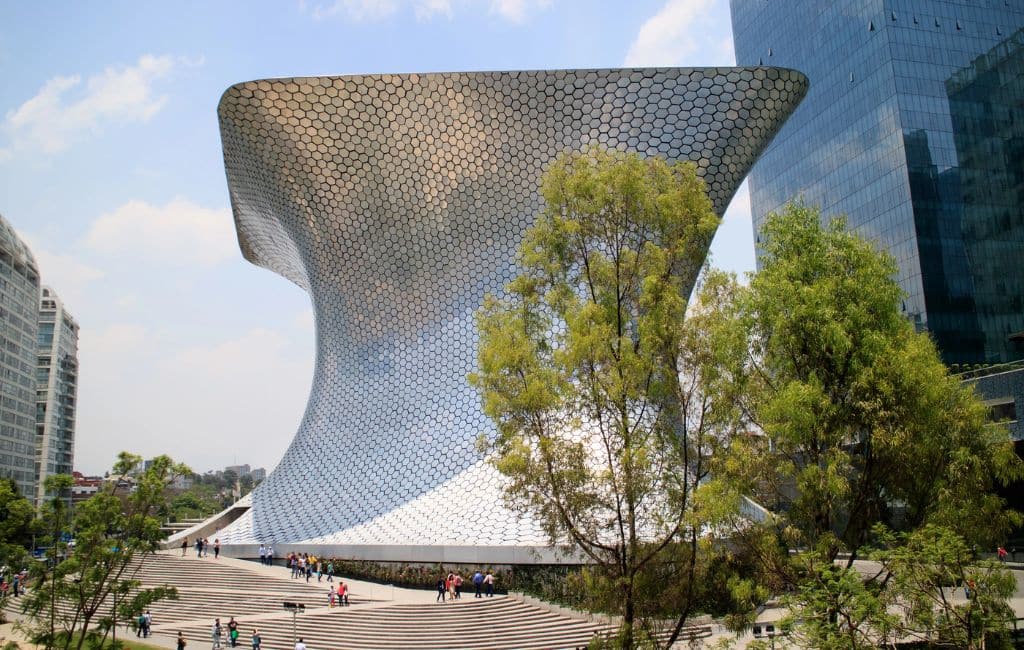
Plated with 16,000 aluminium hexagons, Museo Soumaya (Soumaya Museum) shimmers on the Mexico City skyline. Inside the six-storey museum houses Carlos Slim’s private art collection; a mind-boggling 66,000 pieces. Among the eclectic private collection are works by Salvador Dali, Pablo Picasso, Pierre-Auguste Renoir and Diego Rivera.
There’s almost an entire floor devoted to Rodin – this is the second largest collection in the world and the largest that is privately owned.